Candle Wax
Candle Wax
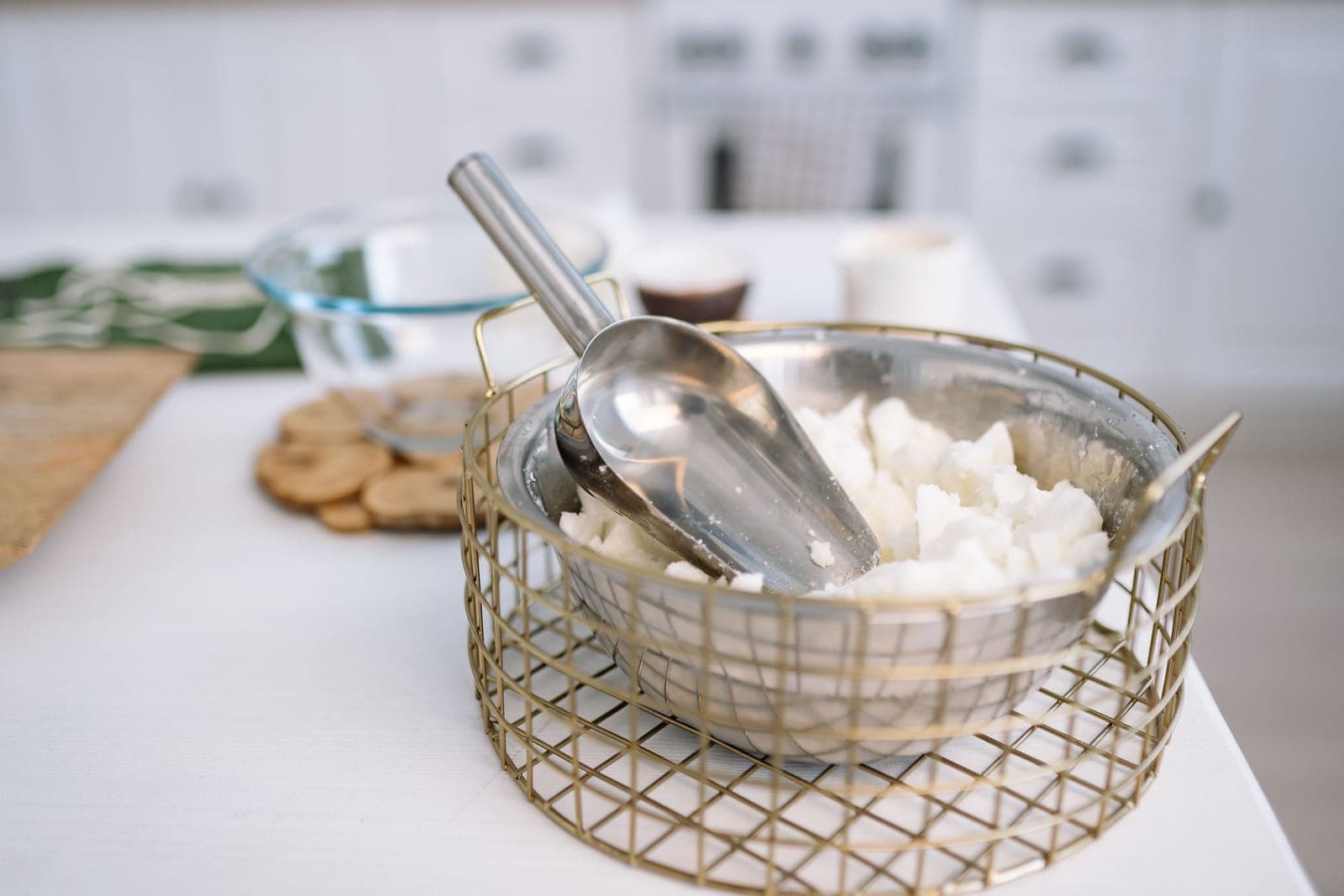
Four families, one decision, and a set of published numbers that make it much less mysterious than it looks.
We have not burned these candles and we do not claim to have. Here is what we did instead. Links to Amazon earn us a commission at no extra cost to you — disclosure.
| # | Product | Best for | Price |
|---|---|---|---|
| 1 | 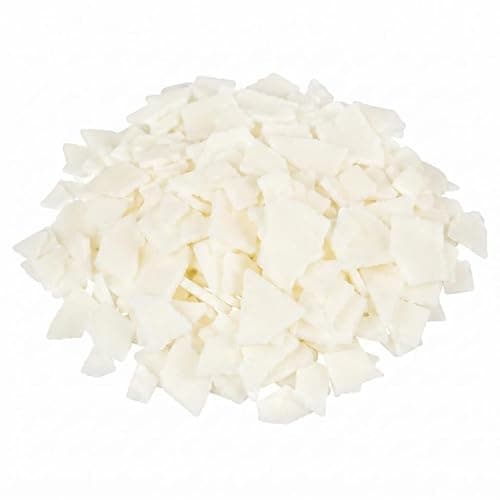 The Candlemaker's Store Natural Soy 464 Wax, 10 lb FlakesTop pickGW 464 is the reference soy for container candles, and that is its real advantage: when a wick chart says ECO 8, it was written with a wax like this in mind, so you get the behavior the chart predicts. | The wax most published wick charts are calibrated against | |
| 2 | 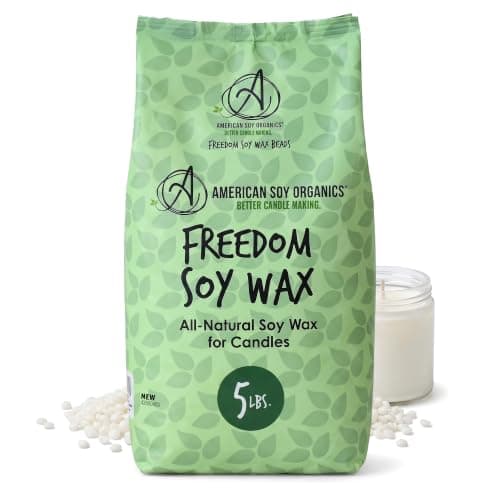 American Soy Organics Freedom Soy Wax Beads, 5 lbsFive pounds of container soy in bead form. The right size for someone who has done a kit, liked it, and wants to make candles properly without buying a case. | A first serious bag of soy | |
| 3 | 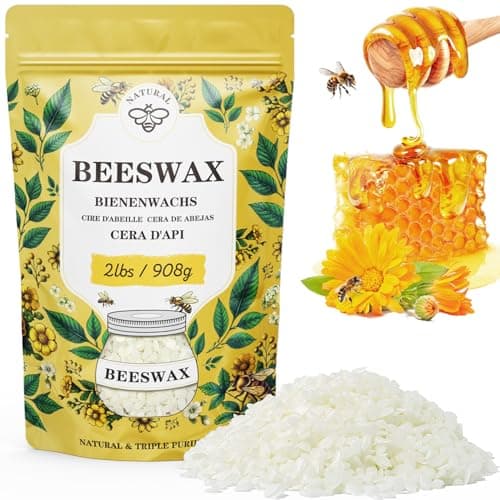 VEGISHINE White Beeswax Pellets for Candle MakingBeeswax burns longer and brighter than soy and smells faintly of honey on its own. Pellets are the form to buy, because a solid beeswax block is genuinely difficult to break down. | Beeswax without cutting up a block |
Wax is the one decision on this whole site where the manufacturers actually publish numbers. Melt point, heating range, fragrance addition temperature, pour temperature, maximum fragrance load: all of it is documented, for the named products at least. That makes wax the easiest thing to get right and the strangest thing to guess at.
The catch is that the numbers only exist for named products. A kit's unnamed soy has no published anything, which is why our first recommendation to anyone past their first batch is to buy a wax that has a name and a spec sheet.
The four families
| Family | Typical melt point | Fragrance throw | Difficulty | Wick adjustment |
|---|---|---|---|---|
| Soy (container blend) | 113 to 120F, published for GW 464 | Good | Easiest | Baseline for the soy charts |
| Coconut soy blend | Lower than soy | Better than soy | Moderate | Often one size down from soy |
| Beeswax | Well above soy, typically 140s to 150s | Faint honey on its own | Harder | One to two sizes up from soy |
| Paraffin | Varies widely by grade | Strongest | Moderate | One to three sizes down from soy |
The wick adjustment column is the one people miss. Changing wax family invalidates the wick you had settled on, and the published charts say so explicitly: Lone Star instructs you to size up one to three when moving a paraffin-basis chart to soy, and Tools for Makers instructs you to increase one to two sizes for beeswax over soy.
Start with soy, and here is the actual reason
Not because it is natural, and not because it burns cleaner (the evidence for that is thinner than the marketing suggests). Because it has the widest temperature tolerance of the four.
Where to go from here
If you want a recommendation: best candle wax for beginners. If you have settled on soy and want the best one: best soy wax for candles, or the deeper background on soy wax as a material.
If you are weighing families against each other, soy vs beeswax vs paraffin vs coconut is the full table, and soy vs coconut covers the specific upgrade most makers consider second.
For formats other than a jar candle: best soy wax for pillar candles covers molded candles, where the melt point is roughly thirty degrees higher, and best soy wax for wax melts covers the wickless version. If the label claims are what brought you here, eco-friendly candle wax sorts the checkable ones from the rest.
And there is a fifth wax the four families above leave out. Soy wax vs palm wax covers the one that makes a feathered crystal surface nothing else can, along with how little anybody publishes about it.
Top pick · The wax most published wick charts are calibrated against
The Candlemaker's Store Natural Soy 464 Wax, 10 lb Flakes
Golden Brands (GW 464)
GW 464 is the reference soy for container candles, and that is its real advantage: when a wick chart says ECO 8, it was written with a wax like this in mind, so you get the behavior the chart predicts.
#ad · how this is funded · price as of October 17, 2026
Published specifications
- Melt point
- 115 to 120FSource: The Candlemaker's Store listing
- Melt point (maker figure)
- 113 to 118FSource: CandleScience product specification
- Heat to
- 170 to 180F, never above 200FSource: Cal Candle Supply published GW 464 instructions
- Add fragrance at
- 170FSource: Cal Candle Supply published GW 464 instructions
- Pour at
- 140FSource: Cal Candle Supply published GW 464 instructions
- Maximum fragrance load
- 10 percentSource: Cal Candle Supply published GW 464 instructions
- Quantity
- 10 lb flakesSource: Amazon product listing, read 2026-09-02
What that means
Two suppliers publish slightly different melt points for the same wax, 115 to 120F and 113 to 118F. That two-degree gap is normal for a natural wax and it is why you read your own pour temperature rather than trusting a single number.
Ten pounds is 160 ounces of wax, or roughly forty 4-ounce candles at the usual fill. That is a real supply, not a sample.
464 is a soy blend with additives that reduce frosting and hold fragrance better than straight soy. It is not the most natural wax on the shelf and it is not sold as one.
Good
- Every published temperature you need is documented, by more than one supplier
- The wax most wick charts assume, so chart recommendations behave as predicted
- 10 percent maximum fragrance load, which is at the top of what soy holds
Less good
- Contains soy-based additives, so it is a blend rather than pure soy
- Ten pounds is more than a first-time maker will get through
Skip this one if
You want to find out whether you enjoy this before committing to ten pounds of anything. Buy a one-pound bag first.
Pick 2 · A first serious bag of soy
American Soy Organics Freedom Soy Wax Beads, 5 lbs
American Soy Organics
Five pounds of container soy in bead form. The right size for someone who has done a kit, liked it, and wants to make candles properly without buying a case.
#ad · how this is funded · price as of October 17, 2026
Published specifications
- Form
- Wax beadsSource: Amazon product listing, read 2026-09-02
- Quantity
- 5 lbsSource: Amazon product listing, read 2026-09-02
- Intended use
- Container candlesSource: Amazon product listing, read 2026-09-02
What that means
Five pounds is 80 ounces. In 8-ounce jars at the standard fill, that is about ten candles with wax to spare for the pot.
This is the step up from a kit: you choose your own jars, your own wicks and your own fragrance, and the wax stops being the thing you inherited from a box.
Good
- Sensible first quantity
- Beads pour cleanly
- Container-specific
Less good
- No published melt point on the listing
- Costs more per pound than the 10 lb bag
Skip this one if
You are still deciding between soy and beeswax. Buy a pound of each and burn them before committing.
Pick 3 · Beeswax without cutting up a block
VEGISHINE White Beeswax Pellets for Candle Making
VEGISHINE
Beeswax burns longer and brighter than soy and smells faintly of honey on its own. Pellets are the form to buy, because a solid beeswax block is genuinely difficult to break down.
$12.99 · 5% off
#ad · how this is funded · price as of October 17, 2026
Published specifications
- Form
- PelletsSource: Amazon product listing, read 2026-09-02
- Sizes offered
- 2 lb, 5 lb, 10 lb, 20 lbSource: Amazon product listing, read 2026-09-02
- Composition claim
- Pure and natural white beeswaxSource: Amazon product listing, read 2026-09-02
- Melt point
- Not published on the listing
What that means
Beeswax runs a much higher melt point than soy, typically in the 140s to 150s Fahrenheit rather than the 110s. That changes every temperature in your process and it changes the wick.
Published sizing charts say to increase one to two wick sizes for beeswax over soy. That is not a rounding adjustment, it is the difference between a candle that burns and one that tunnels on the first light.
White beeswax is filtered and bleached; yellow is not. White smells less of honey, which is what you want if you are adding fragrance.
Good
- Pellets rather than a block
- Long, bright burn
- Naturally scented, so it works unfragranced
Less good
- Costs several times what soy does
- Needs a larger wick than the same jar in soy
- No published melt point on the listing
Skip this one if
You are working from a soy wick chart and do not want to re-test. Beeswax invalidates the wick you had settled on.
The two questions everyone asks after their first pour
How much wax do I need? Multiply your container's capacity in fluid ounces by roughly 0.8 to get the wax weight in ounces. The full arithmetic, with the caveats, is on how much wax per candle.
Why does my candle look like that? Soy frosts and pulls away from the glass, and both are cosmetic. Frosting and wet spots explains what causes each and what actually reduces them.
Container wax and pillar wax are not the same thing
This trips up more people than any other wax distinction. A container wax is formulated to adhere to glass and to stay soft enough to release fragrance. A pillar wax is formulated to hold its own shape out of a mold and to release cleanly from it.
Use container wax in a mold and the candle slumps in a warm room. Use pillar wax in a jar and it contracts away from the glass and looks terrible. If a kit shipped molds and did not say which wax was in the box, this is very likely why the result disappointed. See candle wax types explained, and best soy wax for pillar candles for the thirty-degree melt point gap that causes it.
Once you know which family you want, each one now has its own ranking: best beeswax for candle making for the grade and filtration choice, best paraffin wax for candles for the melt point that decides containers against pillars, best coconut wax for candle making for the blend-versus-pure distinction the published melt points expose, and a full review of Golden Brands 464, the container soy most published wick charts are calibrated against. Two new head-to-heads settle the pairings people ask about most, soy wax vs paraffin and soy wax vs beeswax, and the candle wax temperature chart puts every published melt point, pour temperature and load limit in one attributed table. Best gel wax for candles adds the one family the rest of this hub skips, and the only one poured above 200F. New: Golden Wax 464 vs 444 puts the two soy grades side by side on published data, which turns out to be one melt point and one fragrance load between every listing selling them.
How these picks were made. Published specifications compiled from the sources listed below, the arithmetic shown on the page, and live Amazon prices. No product here has been burned by us. Read the method.
Common questions
What is the best wax for candle making?
For container candles and for anyone starting out, a soy container blend such as Golden Wax 464. It publishes all of its working temperatures, has a wide pour window, and is the wax most published wick charts are calibrated against.
What temperature do you pour candle wax?
It depends on the wax. Golden Wax 464 publishes 140F for pouring, after heating to 170 to 180F and adding fragrance at 170F. Other waxes differ, which is the argument for buying a named product with published figures.
How much wax do I need for a candle?
Roughly the container's capacity in fluid ounces multiplied by 0.8, giving the wax weight in ounces. An 8 fluid ounce jar takes about 6.4 ounces of soy wax.
Does changing wax mean changing wick?
Yes. The published charts are explicit about it: size up one to three moving from a paraffin-basis chart to soy, and increase one to two sizes for beeswax over soy.
Which wax smells the strongest?
Paraffin, by general agreement among suppliers and by the fact that most commercial scented candles still use it or a paraffin blend. Coconut blends are the strongest of the natural options.
Sources
- Cal Candle Supply - Golden Wax 464 published instructions (heat, fragrance and pour temperatures)
- CandleScience - Golden Brands 464 soy wax product specifications
- The Candlemaker's Store - Natural Soy 464 Wax listing (115-120F melt point)
- Lone Star Candle Supply - Guide to Wicking (ECO, CD, HTP, LX, zinc and wooden wick charts)
- Tools for Makers - Candle Wick Size Chart for Soy, Paraffin and Beeswax
Everything in Candle Wax
Soy Wax for Candle Making
Soy wax explained: what it is, the published working temperatures for the reference blends, and how 444, 464 and pillar soy differ.
Best Candle Wax for Beginners
Beginner candle waxes ranked on published working temperatures and pour tolerance, with the arithmetic for how much to buy.
Top pick
The Candlemaker's Store Natural Soy 464 Wax, 10 lb Flakes
Best Soy Wax for Candles
Soy waxes compared on published specs, flake or bead form, quantity and cost per pound, with the reference wax named.
Top pick
The Candlemaker's Store Natural Soy 464 Wax, 10 lb Flakes
Soy vs Beeswax vs Paraffin vs Coconut
The four wax families compared on melt point, scent throw, cost, difficulty and required wick adjustment, with picks for each.
Soy Wax vs Coconut Wax
Coconut soy blends against straight soy on scent throw, surface finish, warm-room behavior, cost and the required wick change.
Candle Wax Types Explained
Every candle wax type explained: the four families, container against pillar formulation, blends, additives and grades.
How Much Wax Per Candle
The wax-weight formula with a table for common container sizes, plus how many candles each bag size makes.
Soy Wax Frosting and Wet Spots
Frosting and wet spots explained: what each one is, why neither affects the burn, and the four changes that reduce them.
Best Soy Wax for Pillar Candles
Pillar soy waxes ranked on published melt point and pour temperature, with the thirty-degree gap that separates them from container wax.
Top pick
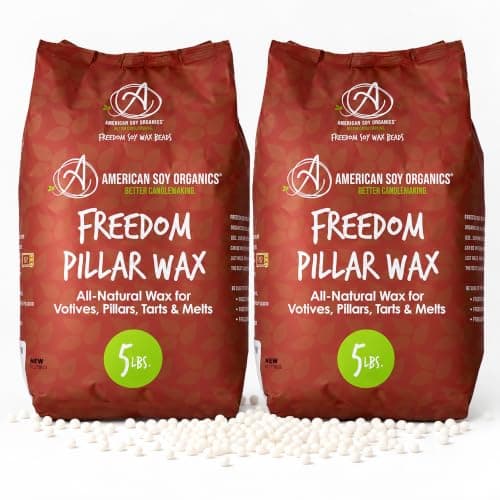
American Soy Organics Freedom Pillar Soy Wax Beads, 10 lbs
Best Soy Wax for Wax Melts
Waxes for melts and tarts ranked on published fragrance load and melt point, with the two questions a wickless product actually has to answer.
Top pick
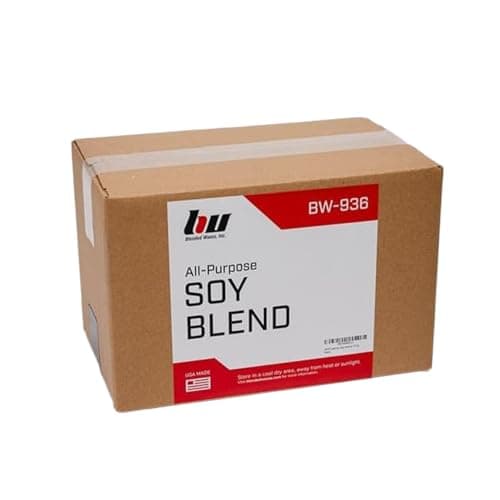
Blended Waxes All-Purpose Soy Wax for Candles, 10 lb
Eco-Friendly Candle Wax
What natural, non-toxic, clean burning and eco-friendly actually mean on a wax listing, and the claims that are genuinely verifiable.
Soy Wax vs Palm Wax
Palm wax against soy on finish, documentation, format, sourcing and availability, with what the palm listings actually publish.
Golden Brands 464 Soy Wax Review
A single-product review of GW 464 soy wax: published melt points, working temperatures, the 10 percent load ceiling, and where it is the wrong wax.
Top pick
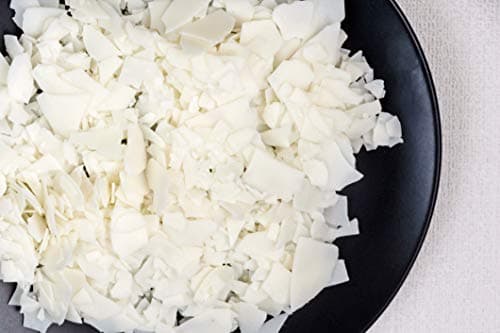
Natural Soy 464 Wax, 5 lb Bag
Best Beeswax for Candle Making
White and yellow beeswax pellets compared on published filtration count, color grade and quantity, with the melt point gap stated plainly.
Top pick
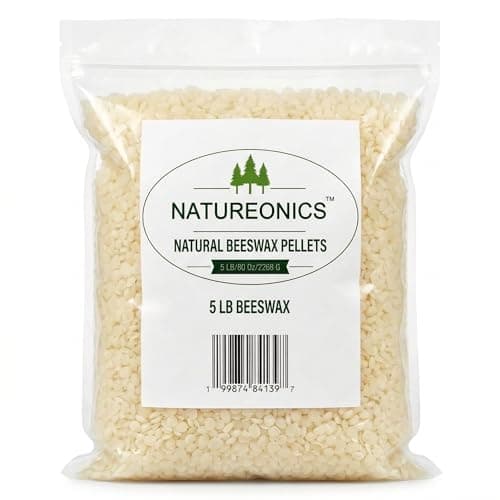
NATUREONICS White Beeswax Pellets, 5 lb
Best Paraffin Wax for Candles
Paraffin waxes ranked on published melt point, the figure that separates a container wax from a pillar wax, with the listings that omit it marked as such.
Top pick
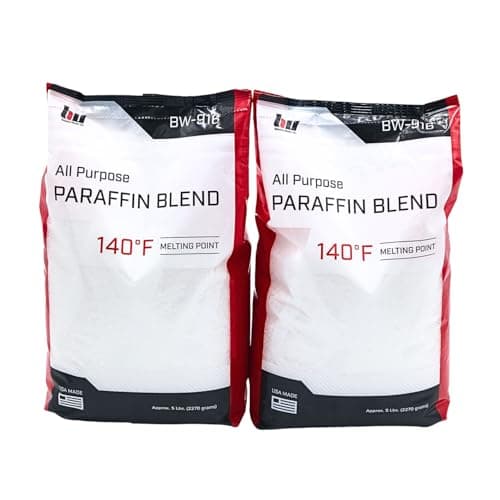
Blended Waxes Multi-Purpose Paraffin Pastilles, 140F Melt, 10 lb
Best Coconut Wax for Candle Making
Coconut, coconut soy and coconut apricot waxes compared on published melt point, pour temperature, fragrance load and wick guidance.
Top pick
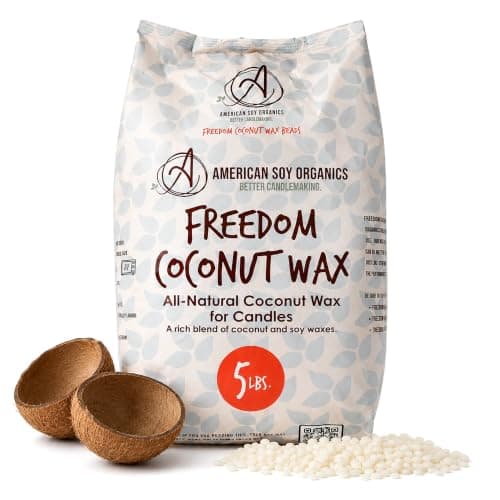
American Soy Organics Freedom Coconut Soy Wax Beads, 5 lbs
Candle Wax Temperature Chart
A cross-supplier table of published candle wax temperatures: melt point, heat-to, pour and maximum fragrance load, with the waxes that publish nothing marked as such.
Soy Wax vs Paraffin
Soy against paraffin on published melt point, scent throw, price per pound, wick sizing and cleanup, with a pick for each side.
Soy Wax vs Beeswax
Soy against beeswax on published specifications, cost per pound, natural scent, wick sizing difficulty and what each is actually for.
Best Gel Wax for Candles
Gel candle wax compared on published density grade, fragrance load, pour temperature and the 170F fragrance flash point requirement three listings state.
Top pick
Virginia Candle Supply Medium Density Gel Candle Wax, 10 lb
Golden Wax 464 vs 444
Golden Brands 464 and 444 compared on what their listings actually publish: a 115 to 120F melt point on one side, a 5 to 7 percent fragrance load on the other, and the gap that leaves.