Candle Wax
Soy Wax Frosting and Wet Spots
Two cosmetic faults that look like disasters. What causes each, and the four things that genuinely help.
We have not burned these candles and we do not claim to have. Here is what we did instead. Links to Amazon earn us a commission at no extra cost to you — disclosure.
| # | Product | Best for | Price |
|---|---|---|---|
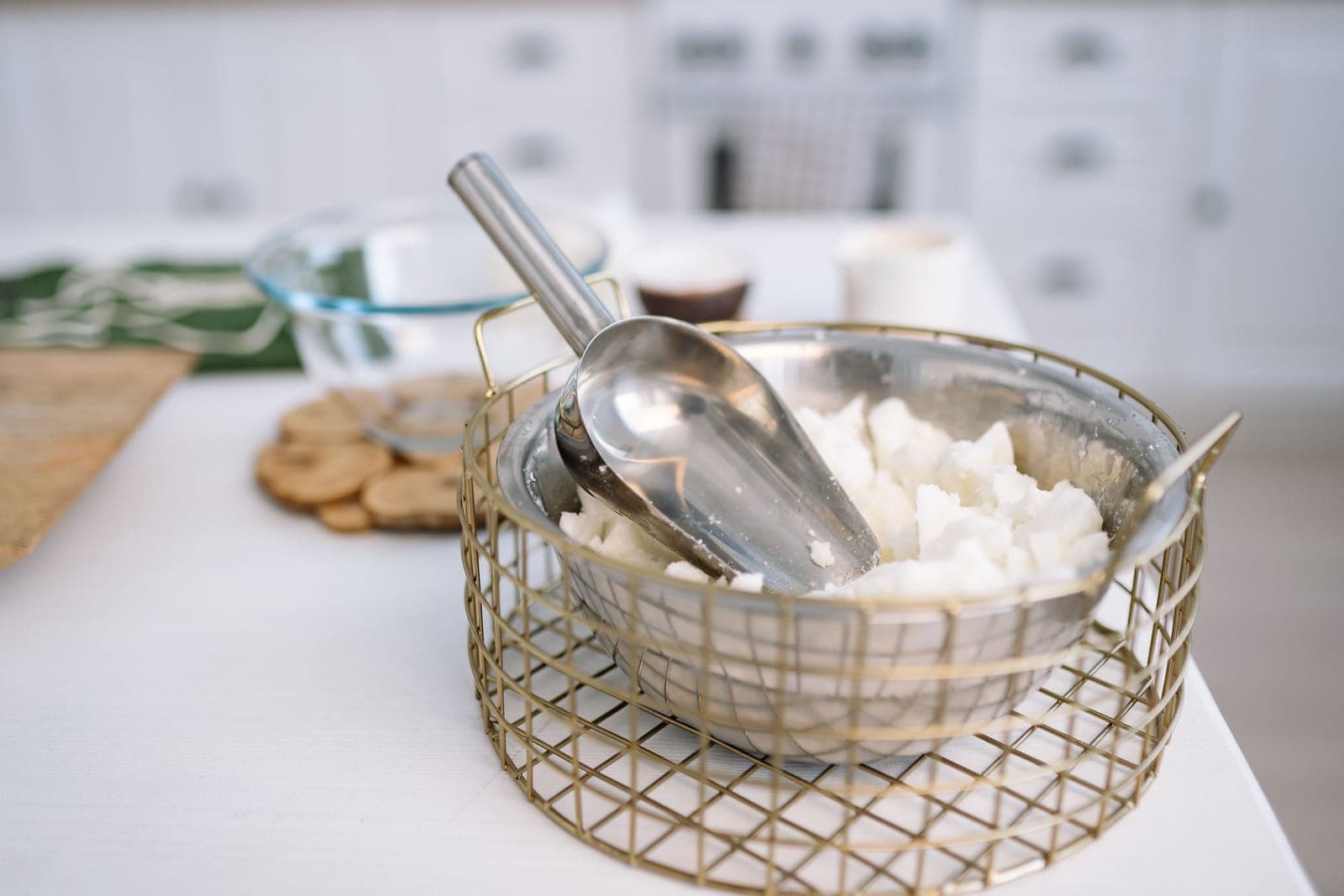
| 1 | 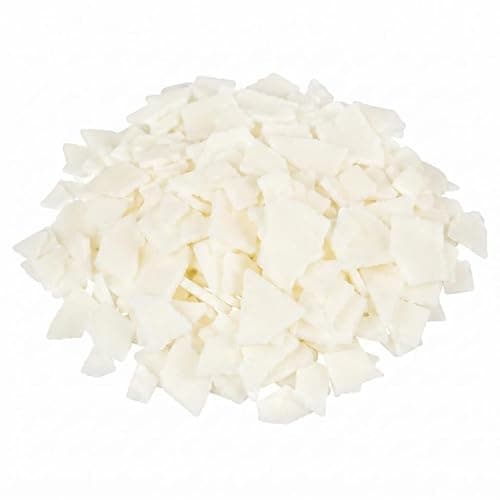 The Candlemaker's Store Natural Soy 464 Wax, 10 lb FlakesTop pickGW 464 is the reference soy for container candles, and that is its real advantage: when a wick chart says ECO 8, it was written with a wax like this in mind, so you get the behavior the chart predicts. | The wax most published wick charts are calibrated against | |
| 2 | 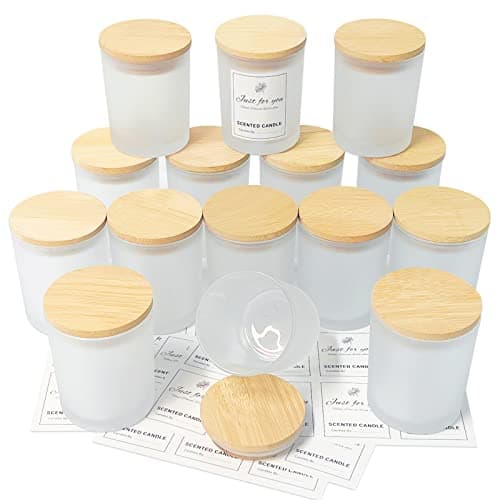 CONNOO Frosted Candle Jars with Bamboo Lids, 7 oz, 15 packFrosted glass and bamboo lids, with labels in the box. The finish is the point: this is the jar that makes a homemade candle look like it came from a shop. | Candles that look bought rather than made | |
| 3 | 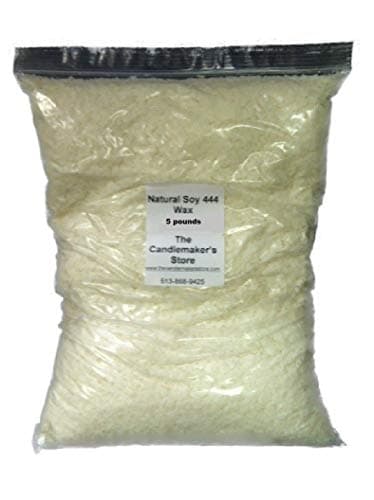 Natural Soy 444 Wax, 5 lb Bag444 is 464's higher-melt sibling. It sets harder and holds up better in a warm house, at the cost of being fussier about pour temperature and more prone to a rough top. | A firmer soy for warm rooms |
These are the two things that make a first-time soy candle maker think they have done something wrong. Neither of them is a fault, neither affects the burn, and no home process reliably eliminates either. That last part is worth saying plainly, because a lot of guidance implies otherwise.
Frosting
A white, crystalline bloom on the surface of a soy candle, usually appearing over days or weeks rather than immediately. Sometimes it looks like a dusting of frost, sometimes like feathery streaks.
It is soy recrystallizing. Soy wax is a natural fat and its crystal structure keeps rearranging after the candle has set, particularly at the surface where the wax meets air and where temperature fluctuates most. That recrystallization scatters light, which is what you see.
What reduces it
- A slower cool. Let candles set at room temperature, undisturbed, away from drafts. Never refrigerate.
- A steadier storage temperature. Frosting worsens with temperature cycling, so a cupboard beats a windowsill.
- Dye, used lightly or not at all. Pigment gives crystals something to nucleate around and makes frosting more visible.
- A blend formulated to reduce it. Golden Wax 464 contains additives intended to reduce frosting, which is part of why it is the default recommendation.
Wet spots
Patches, often looking like water marks or air bubbles, where the wax has pulled away from the inside of the glass. They show as darker or shinier areas from the outside.
Wax contracts as it cools. If it cools quickly, or if the glass was much colder than the wax, the wax shrinks away from the container wall in places rather than staying stuck to it. The gap is air, and air against glass looks different from wax against glass.
What reduces them
- Warm the jars before pouring. A warm container reduces the temperature difference, which is the main driver. A low oven or a warm water bath both work.
- Pour a little warmer, within the published range. Published GW 464 guidance is 140F, and pouring at the top of your wax's range gives it more time to bond to the glass.
- Cool slowly, in a warm room. A cold worktop pulls heat out of the base of the jar fast.
- Do not move them while setting. Published GW 464 instructions specifically recommend minimal movement while cooling.
Doing all four together makes a visible difference. Doing none of them, in a cold room, in January, on a stone worktop, will give you wet spots on nearly every candle.
Do they matter
| Frosting | Wet spots | |
|---|---|---|
| Affects the burn | No | No |
| Affects scent throw | No | No |
| Affects safety | No | No |
| Visible through frosted glass | No | No |
| Visible through clear glass | Yes | Yes |
| Gets worse over time | Often | No, it sets and stays |
Top pick · The wax most published wick charts are calibrated against
The Candlemaker's Store Natural Soy 464 Wax, 10 lb Flakes
Golden Brands (GW 464)
GW 464 is the reference soy for container candles, and that is its real advantage: when a wick chart says ECO 8, it was written with a wax like this in mind, so you get the behavior the chart predicts.
#ad · how this is funded · price as of October 17, 2026
Published specifications
- Melt point
- 115 to 120FSource: The Candlemaker's Store listing
- Melt point (maker figure)
- 113 to 118FSource: CandleScience product specification
- Heat to
- 170 to 180F, never above 200FSource: Cal Candle Supply published GW 464 instructions
- Add fragrance at
- 170FSource: Cal Candle Supply published GW 464 instructions
- Pour at
- 140FSource: Cal Candle Supply published GW 464 instructions
- Maximum fragrance load
- 10 percentSource: Cal Candle Supply published GW 464 instructions
- Quantity
- 10 lb flakesSource: Amazon product listing, read 2026-09-02
What that means
Two suppliers publish slightly different melt points for the same wax, 115 to 120F and 113 to 118F. That two-degree gap is normal for a natural wax and it is why you read your own pour temperature rather than trusting a single number.
Ten pounds is 160 ounces of wax, or roughly forty 4-ounce candles at the usual fill. That is a real supply, not a sample.
464 is a soy blend with additives that reduce frosting and hold fragrance better than straight soy. It is not the most natural wax on the shelf and it is not sold as one.
Good
- Every published temperature you need is documented, by more than one supplier
- The wax most wick charts assume, so chart recommendations behave as predicted
- 10 percent maximum fragrance load, which is at the top of what soy holds
Less good
- Contains soy-based additives, so it is a blend rather than pure soy
- Ten pounds is more than a first-time maker will get through
Skip this one if
You want to find out whether you enjoy this before committing to ten pounds of anything. Buy a one-pound bag first.
Pick 2 · Candles that look bought rather than made
CONNOO Frosted Candle Jars with Bamboo Lids, 7 oz, 15 pack
CONNOO
Frosted glass and bamboo lids, with labels in the box. The finish is the point: this is the jar that makes a homemade candle look like it came from a shop.
$29.99 · 7% off
#ad · how this is funded · price as of October 17, 2026
Published specifications
- Capacity
- 7 ozSource: Amazon product listing, read 2026-09-02
- Count
- 15 jarsSource: Amazon product listing, read 2026-09-02
- Finish
- Frosted glassSource: Amazon product listing, read 2026-09-02
- Lids
- BambooSource: Amazon product listing, read 2026-09-02
- Also includes
- Sticky labelsSource: Amazon product listing, read 2026-09-02
What that means
Frosted glass hides the two cosmetic flaws that bother beginners most: wet spots where wax pulls away from the glass, and frosting in soy. Neither affects the burn, and neither is visible through frosted glass.
That is a genuinely useful property while you are learning, and it is worth knowing you are choosing it rather than discovering it.
The trade-off is that you cannot see the melt pool, which is the thing you most want to watch on a test burn.
Good
- Hides wet spots and frosting entirely
- Labels included, which matters for safety warnings
- Best-looking finish of the jars here
Less good
- You cannot see the melt pool
- Frosted glass costs more than clear
Skip this one if
You are burn-testing a new wick. Use clear glass for testing and frosted for the candles you give away.
Pick 3 · A firmer soy for warm rooms
Natural Soy 444 Wax, 5 lb Bag
Golden Brands (GW 444)
444 is 464's higher-melt sibling. It sets harder and holds up better in a warm house, at the cost of being fussier about pour temperature and more prone to a rough top.
#ad · how this is funded · price as of October 17, 2026
Published specifications
- Quantity
- 5 lb bagSource: Amazon product listing, read 2026-09-02
- Wax family
- Golden Brands container soy blendSource: Amazon product listing, read 2026-09-02
- Melt point
- Not published on the Amazon listing
What that means
The practical difference between 444 and 464 is firmness. If your candles slump or sweat in summer, 444 is the usual answer.
The trade is surface finish. 444 shows pour lines and rough tops more readily, which is a cosmetic problem you fix with a heat gun rather than a burn problem.
The Amazon listing does not publish a melt point. Check the manufacturer specification sheet before you build a wick around it.
Good
- Firmer set than 464
- Better behaved in a warm room
- Same Golden Brands container family
Less good
- Amazon listing publishes no melt point or pour temperature
- More likely to show a rough top than 464
Skip this one if
This is your first bag of wax. Start with 464: it is more forgiving at the temperatures a beginner actually hits, and it is what the wick charts assume.
The container answer
The most effective single change is not a process change at all. Frosted glass, colored glass and metal tins hide both faults completely, which is why so many commercial soy candles use them.
There is a real trade-off: you cannot see the melt pool through frosted glass, and the melt pool is the thing you most want to watch when burn-testing a wick. The practical answer is to test in clear glass or tins and to sell or give away in frosted.
Other cosmetic issues that are not these
- A crater or sinkhole around the wick. Contraction as the wax sets. Top it up with a second small pour.
- A rough or bumpy top. Usually pouring too cool. A heat gun over the surface levels it.
- A cream or tan tint over weeks. Vanillin in the fragrance oxidizing. Common with vanilla and gourmand fragrances, harmless.
- Tunneling. Not cosmetic. That is a wick problem, and it is on candle tunneling.
How these picks were made. Published specifications compiled from the sources listed below, the arithmetic shown on the page, and live Amazon prices. No product here has been burned by us. Read the method.
Common questions
What causes wet spots on soy candles?
The wax contracting away from the glass as it cools, usually because the jar was much colder than the wax or because the candle cooled quickly. It is cosmetic and does not affect the burn.
How do I stop soy wax from frosting?
You cannot stop it entirely. Cooling slowly at a steady room temperature, using less dye, and using a blend formulated to reduce frosting all help. Frosted or colored glass hides it completely.
Are wet spots a defect?
No. They are a cosmetic result of wax contraction and they do not affect burn quality, scent throw or safety. Commercial soy candles have them too, which is part of why so many use frosted or colored containers.
Should I warm my jars before pouring?
Yes, if wet spots bother you. Reducing the temperature difference between the wax and the glass is the single most effective process change. A low oven or a warm water bath both work.
Why did my candle turn yellow?
Vanillin in the fragrance oil oxidizing, which tints white soy cream or tan over a few weeks. It is common with vanilla and gourmand fragrances, harmless, and not preventable in a home setup.
Sources
Read next
Candle Wax
Soy, beeswax, paraffin and coconut blends compared on published melt points, pour temperatures and maximum fragrance loads.
Soy Wax for Candle Making
Soy wax explained: what it is, the published working temperatures for the reference blends, and how 444, 464 and pillar soy differ.
Best Soy Wax for Candles
Soy waxes compared on published specs, flake or bead form, quantity and cost per pound, with the reference wax named.
Top pick
The Candlemaker's Store Natural Soy 464 Wax, 10 lb Flakes
Glass vs Tin vs Ceramic Containers
Glass, tin and ceramic candle containers compared on heat behavior, wick implications, safety, cost and appearance.
Candle Tunneling
Why candles tunnel, the foil recovery method for a candle already tunneling, and the wick change that prevents it next time.
Best Heat Gun for Candle Making
Mini and variable heat guns ranked for leveling candle tops on published airflow, temperature range, stand and cord, with what a heat gun can and cannot fix.
Top pick
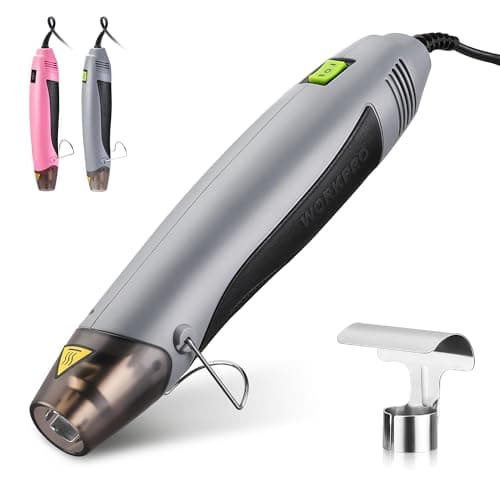
WORKPRO 400W Mini Heat Gun with 2 Temperature Settings