Candle Wax
Candle Wax Temperature Chart
Every published melt point, pour temperature and load limit on one page, with the publisher named and the gaps marked.
We have not burned these candles and we do not claim to have. Here is what we did instead. Links to Amazon earn us a commission at no extra cost to you — disclosure.
| # | Product | Best for | Price |
|---|---|---|---|
| 1 | 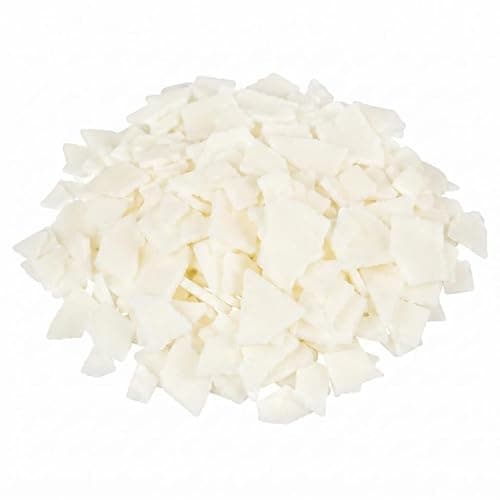 The Candlemaker's Store Natural Soy 464 Wax, 10 lb FlakesTop pickGW 464 is the reference soy for container candles, and that is its real advantage: when a wick chart says ECO 8, it was written with a wax like this in mind, so you get the behavior the chart predicts. | The wax most published wick charts are calibrated against | |
| 2 | 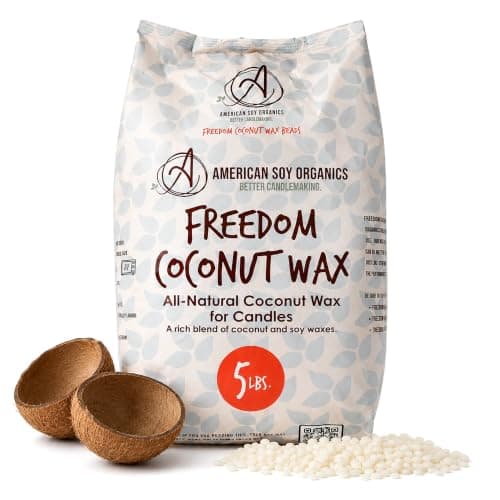 American Soy Organics Freedom Coconut Soy Wax Beads, 5 lbsMelt point, heat temperature, maximum fragrance load and a recommended wick series, all published on one listing. Nothing else in this category comes close, and that is the whole reason it is ranked first. | The only coconut wax here that publishes every number you need | |
| 3 | 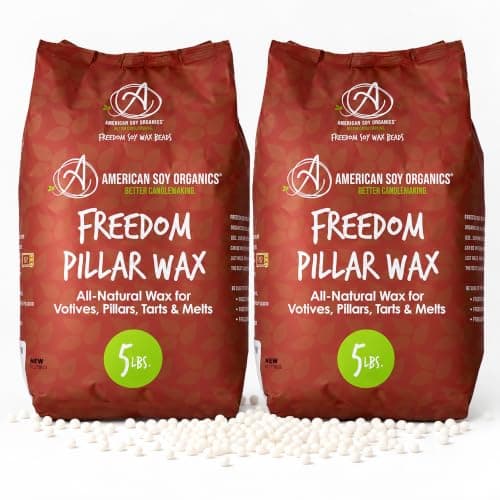 American Soy Organics Freedom Pillar Soy Wax Beads, 10 lbsMelt point 142 to 146F, pour at 150 to 170F, heat to 190F, 10 percent maximum fragrance load. That is the complete working sequence published on the listing, which is more than almost any wax on this site manages. | A pillar wax that publishes every temperature | |
| 4 | 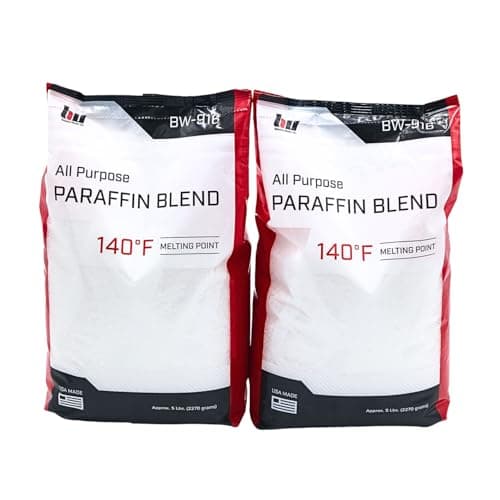 Blended Waxes Multi-Purpose Paraffin Pastilles, 140F Melt, 10 lbPublishes a melt point, which is the single specification that decides what a paraffin can be used for. At approximately 140F this is a container wax, and it says so in numbers rather than adjectives. | Container candles, where a low melt point is the whole point | |
| 5 | 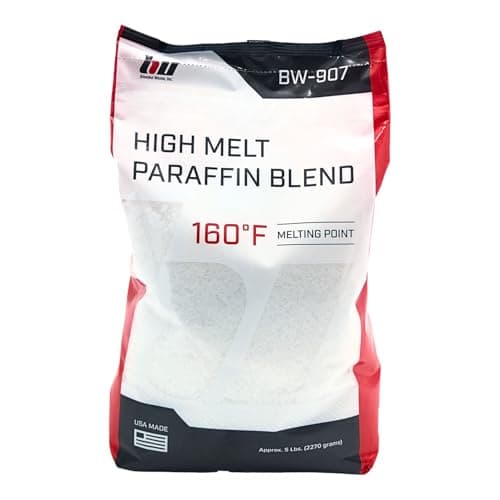 Blended Waxes Paraffin Pastilles, 160F Melt PointThe high-melt half of the same manufacturer's range, published at approximately 160F. That is the figure that makes a freestanding candle possible, and it is the reason to pick this over the 140F wax. | Pillars and votives that have to stand up on their own | |
| 6 | 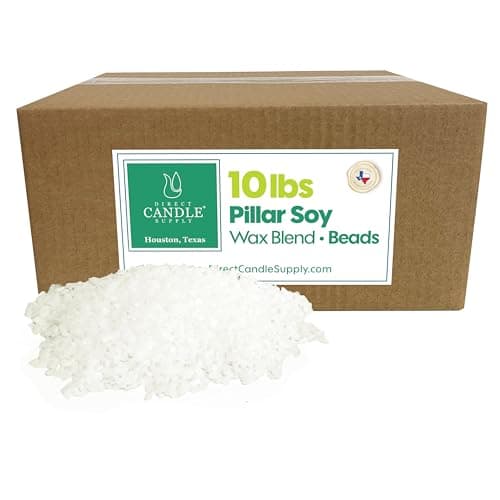 Direct Candle Supply Soy Wax Beads for Pillars and Votives, 10 lbA published melt point of 125 to 130F, rated for melts, tarts, votives and pillars. That is low for a pillar wax and about right for a melt, which is a genuine tension worth understanding before you buy. | Wax melts and tarts specifically | |
| 7 | 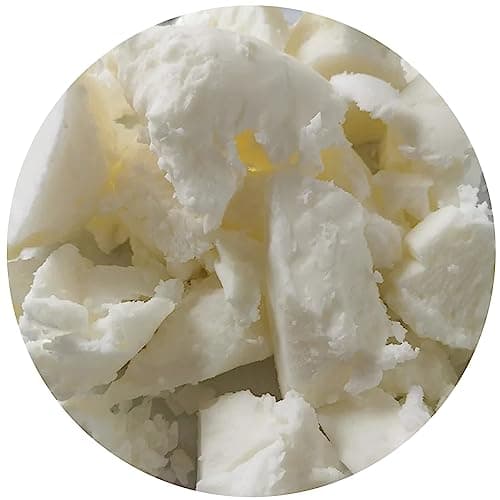 TooGet Natural Coconut Wax, 2 lbThe only pure coconut wax in these picks, and the only listing anywhere in the category that puts its melt point in the product title. At 106F it is genuinely low-melting, which is the property people think they are buying when they buy coconut. | Actual pure coconut wax, with the melt point on the label |
Candle wax temperatures get quoted everywhere and attributed almost nowhere. This page is the opposite: one table, every figure taken from a supplier's own published data, and an explicit blank where a supplier publishes nothing. We have not measured any of these ourselves and we do not claim to.
There are four numbers that matter, and most listings publish one or none of them.
- Melt point. The temperature the solid wax turns liquid. It decides warm-room behavior and, indirectly, wick size.
- Heat to. How hot to take the wax before you add anything. Usually well above the melt point.
- Pour temperature. The temperature to pour at. This one controls surface finish more than anything else you do.
- Maximum fragrance load. The percentage of fragrance oil the wax will hold before it separates.
The chart
| Wax | Melt point | Heat to | Pour at | Max load |
|---|---|---|---|---|
| Pure coconut (TooGet) | 41C / 106F | Not published | Not published | 12 percent |
| GW 464 container soy | 113-118F (CandleScience) or 115-120F (Candlemaker's Store) | 170-180F, never above 200F | 140F | 10 percent |
| Coconut soy blend (American Soy Organics) | 115-121F | 160F | Not published | 10 percent, 1.6 oz per lb |
| Soy for melts and votives (Direct Candle Supply) | 125-130F | Not published | Not published | Not published |
| Paraffin, container grade (Blended Waxes) | About 140F | Not published | Not published | Not published |
| Pillar soy (American Soy Organics) | 142-146F | 190F | 150-170F | 10 percent, 1.6 oz per lb |
| Paraffin, pillar grade (Blended Waxes) | About 160F | Not published | Not published | Not published |
| All-purpose soy (Blended Waxes) | Not published | Not published | 160-170F | Up to 15 percent |
| Coconut apricot (Blended Waxes) | Not published | Not published | 160-170F | 7-9 percent |
| Coconut soy slab (Direct Candle Supply) | Not published | Not published | 160-180F | 10 percent, added at 170-180F |
| Palm (ALEXES) | Not published | 180F | Not published | Not published |
| Beeswax, all six listings we stock | Not published | Not published | Not published | Not published |
The GW 464 working temperatures come from Cal Candle Supply's published instructions for that wax; its two melt points come from CandleScience and The Candlemaker's Store, who state slightly different ranges for the same product. Everything else is from the maker's own product data, read on the dates recorded against each product below.
What the chart shows once you read down the columns
- Pure coconut is the outlier at the bottom, at a published 106F. That is the genuinely low-melting wax people think they are buying when they buy a coconut blend, and the blends publish 115 to 121F, which is container soy territory.
- Container soy clusters tightly, 113 to 121F across three different products from two suppliers. That consistency is why the published wick charts work.
- Pillar soy sits 30 degrees higher, at 142 to 146F, and wants a 190F heat and a 150 to 170F pour.
- Paraffin is sold by melt point rather than by name, which is why the two Blended Waxes products differ by 20 degrees and suit different candles.
- Beeswax publishes nothing. Six listings, no figures.
Pour temperature is the one that shows
Melt point decides what the wax can be. Pour temperature decides what your candle looks like, and it is the figure people ignore.
| Pouring | Result | The fix |
|---|---|---|
| Too cool | Rough, bumpy or lumpy top | Pour at the published figure; level it with a heat gun this once |
| Too hot | Sinkholes around the wick, wet spots, frosting in soy | Let the wax come down to the published temperature before pouring |
| Into a cold jar | Wet spots where wax pulls from the glass | Warm the jars first and cool slowly |
Only four of the products in the chart publish a pour temperature at all. For the rest, the honest approach is the one on how to make soy candles: pour at the figure your supplier gives, and where there is no figure, treat the first batch as the test that establishes one.
Fragrance load, and the one wax that publishes 15 percent
Ten percent is the common published maximum and it appears on every American Soy Organics product and on GW 464. Two figures break that pattern.
A published maximum is a ceiling, not a target. Above it the oil stops binding into the wax and pools on the surface, and most makers work at 6 to 8 percent rather than at the limit.
The temperatures that are not the wax
Three other published figures constrain a pour, and they are easy to miss because they belong to something else on the bench.
- Dye. One chip set publishes a melt at about 152F and a do-not-exceed of 194F. That sits inside the 170 to 180F the wax instructions call for, so dye goes in during the melt.
- Wax melt clamshells. Plastic clamshells publish ceilings of 150 to 167F, which is below several pour temperatures in the chart above. Wax melt molds covers which wax you can safely pour into which container.
- Wick stickers. One sticker listing publishes a 212F maximum for the wax poured over it, which every figure in the chart clears.
Where the gaps are, and what to do about them
For beeswax the practical route is best wicks for beeswax candles, which shows the derivation in full. For everything else in the chart, the figures above are the starting point and a burn test is what settles it.
Using the chart to pick a wax
Work backward from the candle you want. Gel wax sits off the top of this chart entirely, at a published 215 to 225F pour, and has its own page: best gel wax for candles.
- A jar candle: a container wax, 113 to 121F, poured at 140F. Best soy wax for candles.
- A freestanding pillar: a pillar wax at 142 to 146F, or a paraffin around 160F. Best soy wax for pillar candles.
- Wax melts: a melts-and-votives wax at 125 to 130F, and check your clamshell's ceiling before you pour. How to make wax melts.
- Maximum scent release: the lowest melt point you can live with, which is where pure coconut at 106F earns its place. Best coconut wax.
How these picks were made. Published specifications compiled from the sources listed below, the arithmetic shown on the page, and live Amazon prices. No product here has been burned by us. Read the method.
Common questions
What temperature does candle wax melt at?
It depends on the wax, and the published figures range widely. Pure coconut publishes 41C / 106F, container soy 113 to 121F, a melts and votives soy 125 to 130F, pillar soy 142 to 146F, and paraffin is sold by melt point at roughly 140F for containers and 160F for pillars. Not one beeswax listing we stock publishes a figure.
What temperature should I pour candle wax at?
Use the figure your wax publishes. GW 464 publishes 140F, pillar soy 150 to 170F, coconut apricot 160 to 170F, and the coconut soy slab 160 to 180F. Pouring too cool gives a rough top; pouring too hot gives sinkholes and wet spots.
How hot can I heat candle wax?
The published GW 464 instruction is to heat to 170 to 180F and never above 200F. Pillar soy publishes 190F and a palm wax publishes 180F. One palm and paraffin blend publishes a hard 212F ceiling.
What is the melt point of beeswax?
None of the six beeswax listings we stock publishes one, so we do not print a figure. That gap is why beeswax wick sizing on this site is shown as a derivation from published soy rows rather than as a transcribed chart.
How much fragrance oil can wax hold?
Ten percent is the common published maximum, stated on GW 464 and on every American Soy Organics wax, which also gives it as 1.6 oz per pound. Pure coconut publishes 12 percent and one all-purpose soy publishes up to 15 percent. Most makers work at 6 to 8 percent.
Does pour temperature affect scent throw?
Indirectly. Fragrance is added at a published temperature, 170F for GW 464, and pouring far off the published figure mostly changes the surface and the adhesion to the glass. Throw is driven by load, cure and wick size.
Why do two suppliers publish different melt points for the same wax?
Because a natural wax is an agricultural product and its melt point moves between batches. CandleScience publishes 113 to 118F for GW 464 and The Candlemaker's Store publishes 115 to 120F. Both are plausible, so we print both rather than averaging them into a number nobody published.
Sources
- Cal Candle Supply - Golden Wax 464 published instructions (heat, fragrance and pour temperatures)
- CandleScience - Golden Brands 464 soy wax product specifications
- The Candlemaker's Store - Natural Soy 464 Wax listing (115-120F melt point)
- Lone Star Candle Supply - Guide to Wicking (ECO, CD, HTP, LX, zinc and wooden wick charts)
Read next
Candle Wax
Soy, beeswax, paraffin and coconut blends compared on published melt points, pour temperatures and maximum fragrance loads.
Candle Wax Types Explained
Every candle wax type explained: the four families, container against pillar formulation, blends, additives and grades.
Best Soy Wax for Candles
Soy waxes compared on published specs, flake or bead form, quantity and cost per pound, with the reference wax named.
Top pick
The Candlemaker's Store Natural Soy 464 Wax, 10 lb Flakes
Soy vs Beeswax vs Paraffin vs Coconut
The four wax families compared on melt point, scent throw, cost, difficulty and required wick adjustment, with picks for each.
How to Make Soy Candles
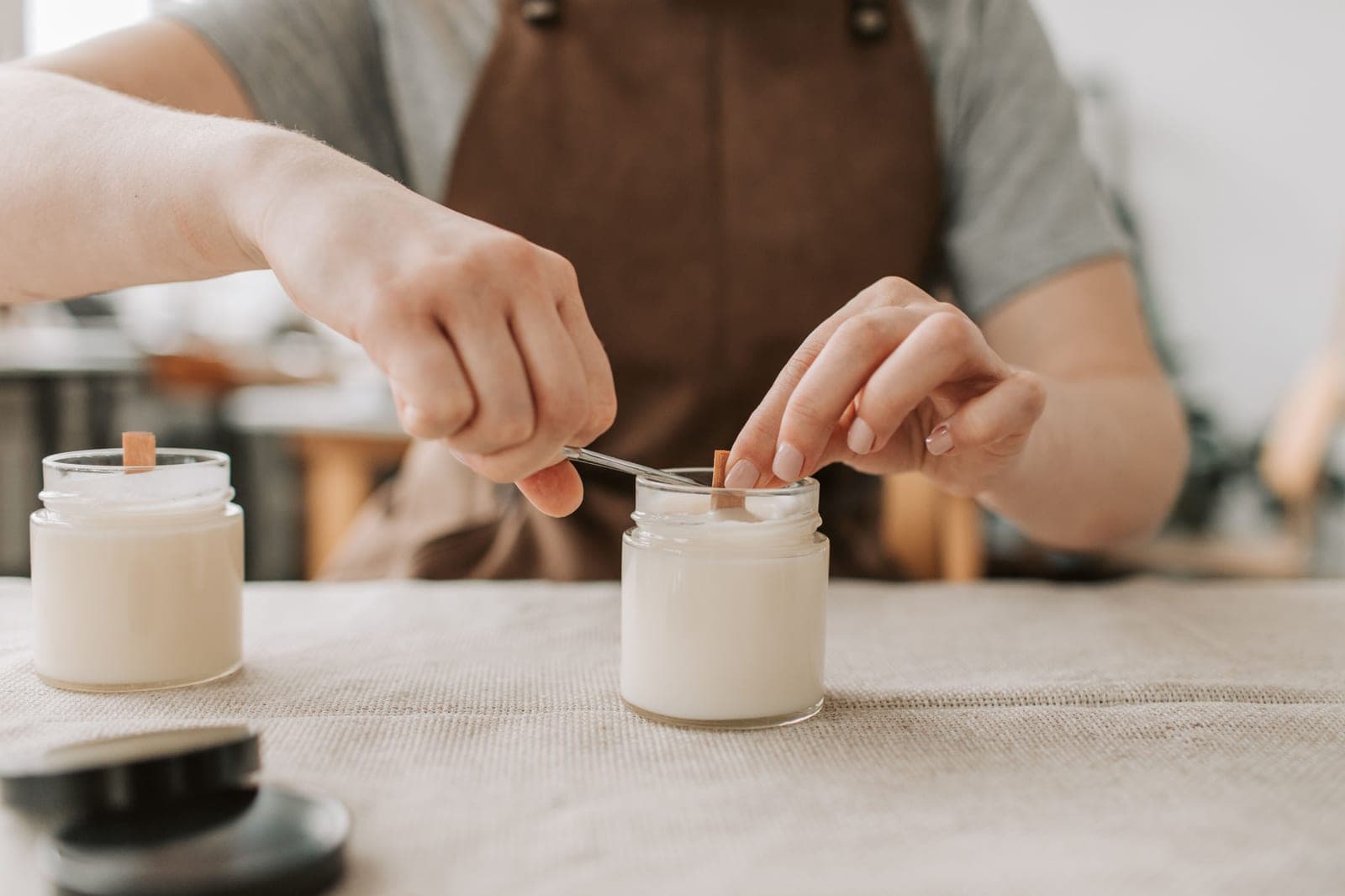
Soy-specific candle making: the published GW 464 temperatures, why soy frosts and pulls away from glass, and its wick sizing.
Candle Wick Size Chart
ECO, CD, HTP, LX, zinc and wooden wick sizes from four published charts, cross-referenced by container diameter with every publisher named.