Candle Wax
Best Coconut Wax for Candle Making
Ranked on what the makers publish, starting with the melt point that separates pure coconut from the blends sold as coconut.
We have not burned these candles and we do not claim to have. Here is what we did instead. Links to Amazon earn us a commission at no extra cost to you — disclosure.
| # | Product | Best for | Price |
|---|---|---|---|
| 1 | 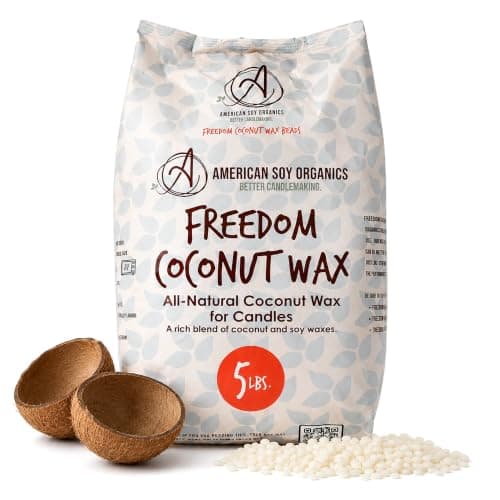 American Soy Organics Freedom Coconut Soy Wax Beads, 5 lbsTop pickMelt point, heat temperature, maximum fragrance load and a recommended wick series, all published on one listing. Nothing else in this category comes close, and that is the whole reason it is ranked first. | The only coconut wax here that publishes every number you need | |
| 2 | 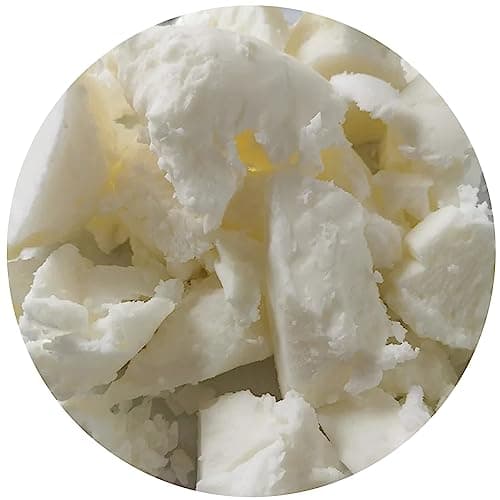 TooGet Natural Coconut Wax, 2 lbThe only pure coconut wax in these picks, and the only listing anywhere in the category that puts its melt point in the product title. At 106F it is genuinely low-melting, which is the property people think they are buying when they buy coconut. | Actual pure coconut wax, with the melt point on the label | |
| 3 | 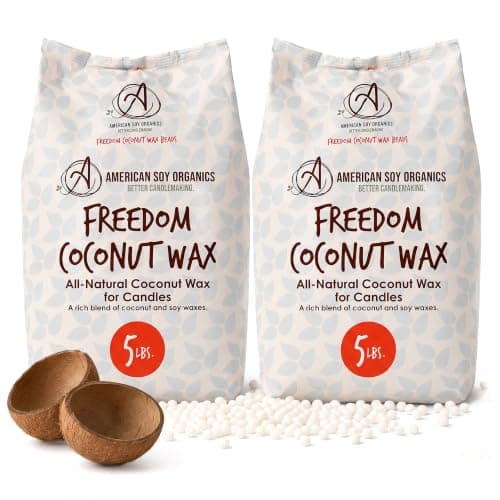 American Soy Organics Freedom Coconut Soy Wax Beads, 10 lbsCoconut-soy blends are the wax people move to when soy stops throwing scent hard enough for them. They cost more and they are less forgiving about pour temperature, which is why this is a second wax, not a first. | Scent throw, once you have the basics down | |
| 4 | 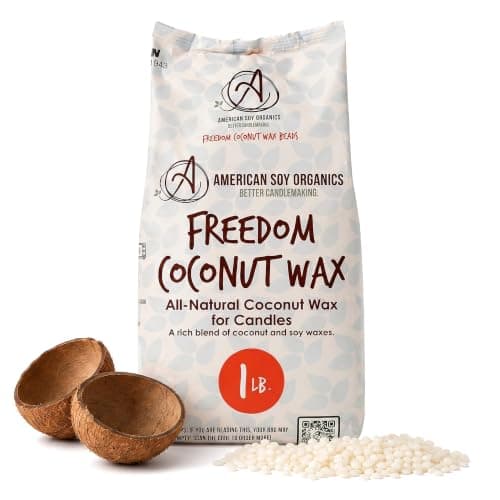 American Soy Organics Freedom Coconut Soy Wax Beads, 1 lbThe same fully documented wax in the quantity that answers the only question a first-time coconut buyer has, which is whether the scent throw is worth the price step up from soy. | Finding out whether coconut blend is worth the money to you | |
| 5 | 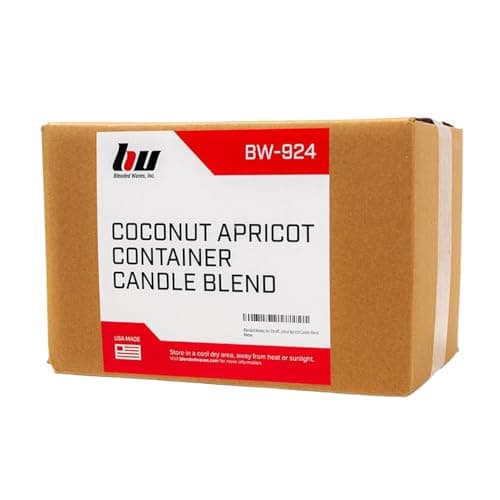 Blended Waxes Coconut Apricot Wax Pastilles, 10 lbCoconut apricot is the premium end of this category and this listing publishes a pour temperature, a fragrance range and a cure time. That last figure, 12 to 18 hours, is the headline: soy wants one to two weeks. | A published cure time measured in hours rather than weeks | |
| 6 | 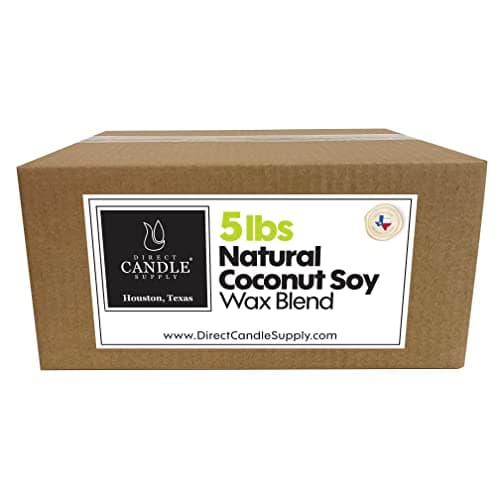 Direct Candle Supply Coconut Soy Wax Slab, 5 lbPublishes both the pour temperature and the temperature to add fragrance at, which is more procedural detail than most of this category. The format is the catch: a slab has to be broken up before it can be weighed. | A published pour temperature and a published load, if you can live with a slab | |
| 7 | 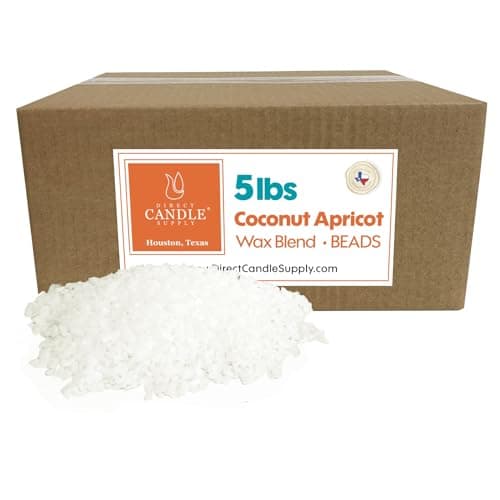 Direct Candle Supply Apricot Candle Wax Beads, 5 lbA competent single-pour blend that publishes its pour temperature and its cure time. It is ranked last because the same listing that calls the wax natural also states it contains small amounts of paraffin. | Reading the ingredient line before you buy on the word natural |
Coconut wax is the upgrade people reach for when soy stops throwing scent hard enough. The category is also full of products that share a name and very little else: pure coconut, coconut soy blends, coconut apricot blends, and at least one wax sold as natural that publishes paraffin in its own ingredient line.
So this page ranks on what each maker publishes. We have not poured these waxes and we do not claim to have. Every figure below is transcribed from the product data the maker supplies, and where a figure is absent the write-up says so rather than filling the gap.
The distinction almost every coconut guide skips
The standard claim about coconut wax is that it melts lower than soy, which is why it releases fragrance more readily. Read the published figures and that claim only survives for one of the two things sold as coconut wax.
| Wax | Published melt point | Published by |
|---|---|---|
| TooGet Natural Coconut Wax, pure | 41C / 106F | Product title and item data |
| American Soy Organics Freedom Coconut Soy | 115 to 121F | Maker's published item data |
| Golden Wax 464 container soy | 113 to 118F | CandleScience product specification |
| Golden Wax 464 container soy | 115 to 120F | The Candlemaker's Store listing |
| Coconut soy slab, coconut apricot pastilles, apricot beads | Not published | Three separate listings |
This matters in three places: how the candle behaves in a warm room, what wick you start from, and whether the extra money buys what you thought it did. All three are covered below, and the full soy side of the comparison is on soy wax vs coconut wax.
What coconut wax actually buys you
Three things, and only the first is the one people talk about.
- Fragrance release. Coconut waxes release fragrance more readily than straight soy. Note that this is about release, not capacity: the published maximum load on the coconut soy blend here is 10 percent, exactly the same as the published GW 464 maximum.
- Surface finish. Coconut blends set creamier and show less of the crystalline bloom soy is known for. One maker publishes improved sidewall adhesion and reduced frosting as the reason for its low-melt formula.
- Cure time, on some of them. The coconut apricot pastilles in our picks publish a 12 to 18 hour cure. Soy wants one to two weeks. That is the largest practical difference on this page and almost nobody mentions it.
What it does not buy you is a higher fragrance load. Only the pure coconut wax here publishes a figure above 10 percent, at 12, and that is a property of pure coconut rather than of the category.
How we picked
Criteria first, in the order they decide a purchase. Every one of them is something a maker either publishes or does not.
- A published melt point. It sets warm-room behavior and it is the figure that separates pure coconut from a blend. Two of the seven publish one.
- A published working temperature, whether that is a heat-to figure or a pour range. Five of the seven publish one.
- A published maximum fragrance load. Four publish one, and they do not agree: 7 to 9 percent, 10 percent, and 12 percent.
- Published wick guidance. Exactly one names a wick series, which is rarer than it should be given that changing wax family invalidates your wick.
- A published composition. What is in the blend, and what is not. One listing discloses paraffin content and it is ranked last for it.
- Format. Beads and pastilles weigh straight onto a scale; a slab has to be broken up first.
The full method, including what we do and do not claim, is on how we pick.
Top pick · The only coconut wax here that publishes every number you need
American Soy Organics Freedom Coconut Soy Wax Beads, 5 lbs
American Soy Organics
Melt point, heat temperature, maximum fragrance load and a recommended wick series, all published on one listing. Nothing else in this category comes close, and that is the whole reason it is ranked first.
#ad · how this is funded · price as of September 14, 2026
Published specifications
- Melt point
- 115 to 121FSource: Amazon Creators API item data, read 2026-09-14
- Heat to
- 160F, then stir in fragrance and pourSource: Amazon Creators API item data, read 2026-09-14
- Maximum fragrance load
- 10 percent, stated as 1.6 oz per lbSource: Amazon Creators API item data, read 2026-09-14
- Recommended wick
- CD or ECO seriesSource: Amazon Creators API item data, read 2026-09-14
- Composition
- Soybean and coconut blend; paraffin-free, beeswax-free, no animal productsSource: Amazon Creators API item data, read 2026-09-14
- Form and quantity
- Beads, 5 lbSource: Amazon Creators API item data, read 2026-09-14
What that means
The published melt point is the figure that matters most here, and it is the one that corrects a widely repeated claim. At 115 to 121F this blend sits in the same range as container soy, which publishes 113 to 118F for GW 464. A coconut-soy blend is not a low-melting wax.
The published wick recommendation is rarer still. CD and ECO are the two series our own wick charts are written for, which means the published soy chart rows are a legitimate starting point for this wax rather than a guess.
Ten percent maximum load matches container soy exactly. The extra scent throw people buy coconut blends for comes from how the wax releases fragrance, not from holding more of it.
Good
- Publishes a melt point, a heat temperature, a maximum load and a wick series
- Bead format measures and melts without chopping
- States what is not in it, which most coconut listings do not
Less good
- Costs more per pound than plain container soy
- No published pour temperature, only the 160F heat-and-stir figure
- A blend rather than pure coconut, which matters if pure is what you came for
Skip this one if
You specifically want pure coconut wax. This is a soy blend with coconut in it and the listing is clear about that, so buying it expecting single-ingredient coconut is buying the wrong thing.
Pick 2 · Actual pure coconut wax, with the melt point on the label
TooGet Natural Coconut Wax, 2 lb
TooGet
The only pure coconut wax in these picks, and the only listing anywhere in the category that puts its melt point in the product title. At 106F it is genuinely low-melting, which is the property people think they are buying when they buy coconut.
#ad · how this is funded · price as of September 14, 2026
Published specifications
- Melt point
- 41C / 106F, stated in the product titleSource: Amazon Creators API item data, read 2026-09-14
- Composition
- Natural coconut wax, described as pure white coconut waxSource: Amazon Creators API item data, read 2026-09-14
- Fragrance load
- Stated to hold a 12 percent loadSource: Amazon Creators API item data, read 2026-09-14
- Quantity
- 910 g, sold as 2 lbSource: Amazon Creators API item data, read 2026-09-14
- Adhesion
- Stated as excellent glass adhesion for container candlesSource: Amazon Creators API item data, read 2026-09-14
- Pour temperature
- Not published on the listing
What that means
A 106F melt point is roughly ten degrees below container soy and below every coconut-soy blend here. That is what makes it release fragrance readily and also what makes it slump in a warm room.
Twelve percent is the highest published fragrance load of anything in these picks, two points above the soy and coconut-soy standard of ten.
The gap is the pour temperature. With a melt point that low the working window is wide, but you are choosing your own pour temperature rather than following a published one.
Good
- Publishes its melt point, in the title, which nothing else here does
- Highest published fragrance load in these picks at 12 percent
- Genuinely pure coconut rather than a blend
Less good
- No published pour temperature and no wick guidance
- A 106F wax is soft; warm rooms are a real problem
- 910 g is sold as 2 lb, which is 907 g, so the round number is the gram figure
Skip this one if
Your house runs warm. Every degree of melt point you give up is a degree closer to a candle that sweats on a summer windowsill, and this is the lowest-melting wax on the site.
Pick 3 · Scent throw, once you have the basics down
American Soy Organics Freedom Coconut Soy Wax Beads, 10 lbs
American Soy Organics
Coconut-soy blends are the wax people move to when soy stops throwing scent hard enough for them. They cost more and they are less forgiving about pour temperature, which is why this is a second wax, not a first.
#ad · how this is funded · price as of September 14, 2026
Published specifications
- Melt point
- 115 to 121FSource: Amazon Creators API item data, read 2026-09-14
- Heat to
- 160F, then stir in fragrance and pourSource: Amazon Creators API item data, read 2026-09-14
- Maximum fragrance load
- 10 percent, stated as 1.6 oz per lbSource: Amazon Creators API item data, read 2026-09-14
- Recommended wick
- CD or ECO seriesSource: Amazon Creators API item data, read 2026-09-14
- Form and quantity
- Wax beads, 10 lbsSource: Amazon product listing, read 2026-09-02
- Wax family
- Coconut soy blend, for container candlesSource: Amazon product listing, read 2026-09-02
What that means
The maker publishes 115 to 121F for this blend, which is the same range container soy occupies - GW 464 publishes 113 to 118F. The low-melting wax in this category is pure coconut, at a published 106F, and this is not that. See [best coconut wax for candle making](/wax/best-coconut-wax-for-candle-making) for the full comparison.
The maker recommends the CD and ECO wick series, which are the same families the published soy charts cover. You are starting from the same chart rows rather than a different system, but the wax releases fragrance differently, so burn-test rather than carrying a soy size straight over.
Good
- Better fragrance release than straight soy
- Smooth surface finish
- Bead form
Less good
- More expensive than soy
- A blend rather than pure coconut, so the low-melt behavior people expect is muted
- Requires re-testing your wick
Skip this one if
This is your first wax. Coconut blend rewards someone who already knows what a correct melt pool looks like, and punishes someone who does not.
Pick 4 · Finding out whether coconut blend is worth the money to you
American Soy Organics Freedom Coconut Soy Wax Beads, 1 lb
American Soy Organics
The same fully documented wax in the quantity that answers the only question a first-time coconut buyer has, which is whether the scent throw is worth the price step up from soy.
#ad · how this is funded · price as of September 14, 2026
Published specifications
- Melt point
- 115 to 121FSource: Amazon Creators API item data, read 2026-09-14
- Heat to
- 160F, then stir in fragrance and pourSource: Amazon Creators API item data, read 2026-09-14
- Maximum fragrance load
- 10 percent, stated as 1.6 oz per lbSource: Amazon Creators API item data, read 2026-09-14
- Recommended wick
- CD or ECO seriesSource: Amazon Creators API item data, read 2026-09-14
- Form and quantity
- Beads, 1 lbSource: Amazon Creators API item data, read 2026-09-14
- Made in
- USA, statedSource: Amazon Creators API item data, read 2026-09-14
What that means
One pound is about two 8-ounce candles at a 6.4 oz fill, which is exactly enough to burn one and give one away.
Every published figure is identical to the 5 lb bag, so what you learn from this transfers directly when you scale up.
It costs substantially more per pound than the 5 lb bag. That premium is the price of not committing, and it is worth paying once.
Good
- Same published specifications as the larger bags
- Smallest coconut quantity in these picks
- Enough for a real side-by-side test against your usual soy
Less good
- Highest cost per pound of the three sizes
- One pound will not survive a burn test plus a batch
- Same no-published-pour-temperature gap as its siblings
Skip this one if
You already pour coconut blend regularly. This is a sampling quantity and the 5 or 10 lb bags cost far less per candle.
Pick 5 · A published cure time measured in hours rather than weeks
Blended Waxes Coconut Apricot Wax Pastilles, 10 lb
Blended Waxes, Inc.
Coconut apricot is the premium end of this category and this listing publishes a pour temperature, a fragrance range and a cure time. That last figure, 12 to 18 hours, is the headline: soy wants one to two weeks.
#ad · how this is funded · price as of September 14, 2026
Published specifications
- Pour temperature
- 160 to 170FSource: Amazon Creators API item data, read 2026-09-14
- Fragrance load
- 7 to 9 percentSource: Amazon Creators API item data, read 2026-09-14
- Cure time
- 12 to 18 hours, stated as giving a solid consistency without cavitationSource: Amazon Creators API item data, read 2026-09-14
- Composition
- Coconut apricot blend, described as nature-sourced and single pourSource: Amazon Creators API item data, read 2026-09-14
- Form and quantity
- Pastilles, 10 lbSource: Amazon Creators API item data, read 2026-09-14
- Melt point
- Not published on the listing
What that means
A single-pour wax is one that does not sink around the wick and need a second top-up pour. That claim plus a 12 to 18 hour cure is the argument for paying coconut apricot prices.
The published fragrance range is lower than the rest of this category, 7 to 9 percent against the usual 10. A wax that releases fragrance well does not need to carry as much of it.
It is the same manufacturer as the paraffin waxes in our paraffin roundup, and it publishes figures the same way. What it does not publish here is a melt point.
Good
- Publishes pour temperature, fragrance range and a cure time
- Single-pour claim, so no top-up pour
- Named manufacturer with published figures across its range
Less good
- No published melt point
- The most expensive wax per pound in these picks
- 10 lb is a large commitment to a wax family you may not have tried
Skip this one if
You have never poured coconut wax. Ten pounds of the priciest option in the category is the wrong way to find out whether you like it.
Pick 6 · A published pour temperature and a published load, if you can live with a slab
Direct Candle Supply Coconut Soy Wax Slab, 5 lb
Direct Candle Supply
Publishes both the pour temperature and the temperature to add fragrance at, which is more procedural detail than most of this category. The format is the catch: a slab has to be broken up before it can be weighed.
#ad · how this is funded · price as of September 14, 2026
Published specifications
- Pour temperature
- 160 to 180FSource: Amazon Creators API item data, read 2026-09-14
- Fragrance load
- Up to 10 percent, added at 170 to 180FSource: Amazon Creators API item data, read 2026-09-14
- Composition
- Coconut and soy blend, for container candlesSource: Amazon Creators API item data, read 2026-09-14
- Form and quantity
- Slab, 5 lbSource: Amazon Creators API item data, read 2026-09-14
- Texture
- Described as buttery and creamySource: Amazon Creators API item data, read 2026-09-14
- Melt point
- Not published on the listing
What that means
Adding fragrance at 170 to 180F and pouring at 160 to 180F is a narrow, usable procedure, and the overlap means you can add scent and pour in the same window.
The slab is the real trade. Every recipe on this site is a weight, so a slab has to be broken into pieces you can put on a scale, and coconut blends are soft enough that this is messy rather than hard.
The same seller's 10 lb slab publishes the pour temperature but omits the fragrance figure. Same product family, different bullet, which is a reminder to read the listing you are actually buying.
Good
- Publishes a pour temperature and the temperature to add fragrance at
- Cheaper per pound than the bead formats here
- Sold by a candle supply company rather than a general repackager
Less good
- Slab format has to be broken up before weighing
- No published melt point
- The seller's own 10 lb version publishes less than this 5 lb one does
Skip this one if
You weigh everything, which on this site you should. A bead or pastille format goes straight onto the scale and a slab does not.
Pick 7 · Reading the ingredient line before you buy on the word natural
Direct Candle Supply Apricot Candle Wax Beads, 5 lb
Direct Candle Supply
A competent single-pour blend that publishes its pour temperature and its cure time. It is ranked last because the same listing that calls the wax natural also states it contains small amounts of paraffin.
#ad · how this is funded · price as of September 14, 2026
Published specifications
- Composition
- Apricot, coconut and soy derived ingredients with small amounts of paraffin, statedSource: Amazon Creators API item data, read 2026-09-14
- Pour temperature
- 160 to 180FSource: Amazon Creators API item data, read 2026-09-14
- Cure time
- A week, stated as giving better cold and hot throwSource: Amazon Creators API item data, read 2026-09-14
- Form and quantity
- Beads, 5 lbSource: Amazon Creators API item data, read 2026-09-14
- Blend type
- Single pour, stated to work with any wick, dye or fragranceSource: Amazon Creators API item data, read 2026-09-14
- Melt point
- Not published on the listing
What that means
The paraffin disclosure is on the listing and we are repeating it because it is the single most decision-relevant sentence there. The same bullet list also describes the wax as natural with no harmful chemicals, so the listing is arguing with itself.
None of that makes it a bad wax. A little paraffin in a plant blend is a long-standing way to improve throw and sidewall adhesion, and the seller disclosing it is better behavior than the many blends that do not.
It matters if you are selling. A candle sold on a plant-based or paraffin-free claim cannot be made from this wax, and our labeling page covers why that claim has to be true.
Good
- Discloses the paraffin content instead of hiding it
- Publishes a pour temperature and a cure time
- Bead format, so it weighs straight onto a scale
Less good
- Contains paraffin while being marketed as natural in the same listing
- No published melt point or fragrance load
- Cannot be used for a paraffin-free product claim
Skip this one if
You came to coconut wax to get away from paraffin. That is most people buying this category, and this is the one wax in these picks that does not deliver it.
Pure, coconut soy, or coconut apricot
| Pure coconut | Coconut soy | Coconut apricot | |
|---|---|---|---|
| Published melt point here | 106F | 115 to 121F | Not published |
| Published fragrance load here | 12 percent | 10 percent | 7 to 9 percent |
| Warm rooms | The softest option | Behaves like container soy | Not published |
| Price per pound | Middle | Lowest of the three | Highest |
| Published cure time | Not published | Not published | 12 to 18 hours |
| Best for | Maximum release, cool rooms | A first coconut wax | Single-pour convenience |
Apricot wax deserves a note. It is a coconut blend with apricot-derived wax in it, sold at the premium end and usually on a single-pour claim, meaning it sets without the sinkhole around the wick that needs a second top-up pour. Two of the apricot products here publish a pour temperature; one also publishes a cure time short enough to change how you plan a batch.
Wicking coconut wax
Changing wax family invalidates your wick. That is true of every move on this site and it is the single most common reason a maker's first coconut candle disappoints them.
What is unusual here is that one maker publishes a starting point. American Soy Organics states the CD and ECO series for its coconut soy blend, and those are exactly the two series our wick size chart transcribes from four published sources. So for that wax you are starting from real chart rows rather than guessing.
For the pure coconut wax, with a published melt point ten degrees lower, expect to come down rather than up: a lower-melting wax delivers more freely, so the size that was right in soy is usually too large. Wick too big or too small has the symptoms of each failure.
Fragrance load, in grams
Two of these waxes publish a maximum load and one publishes it twice, as a percentage and as ounces per pound. That second form is worth keeping because it is the one you can check on a scale without doing any arithmetic.
The published maximum is a ceiling, not a target. Above it the oil stops binding into the wax and separates out, which is a surface problem on a good day and a flare risk on a bad one.
Beads, pastilles and slabs
| Format | On a scale | The catch |
|---|---|---|
| Beads | Scoop and weigh directly | Usually the dearer format per pound |
| Pastilles | Scoop and weigh directly | Same |
| Slab | Has to be broken up first | Cheapest per pound, and messy with a soft wax |
Every recipe on this site is a weight, so format is not cosmetic. A slab of a soft, buttery coconut blend is harder to portion than a slab of paraffin, and you are doing it on the bench rather than on the scale. If price per pound is the deciding factor the slab is defensible; otherwise buy the beads.
The word natural, and one listing that argues with itself
Most people buying coconut wax are buying away from paraffin. It is worth reading the ingredient line rather than the headline, because one wax in these picks publishes both claims at once.
The apricot beads state that the blend is made with apricot, coconut and soy derived ingredients plus small amounts of paraffin. The same bullet list describes the wax as natural with no harmful chemicals. Both sentences are on the listing; we are reporting that rather than choosing the flattering one.
A small amount of paraffin in a plant blend is a long-established way to improve throw and sidewall adhesion, and disclosing it is better behavior than the many blends that say nothing. It only becomes a problem if you are selling on a paraffin-free or plant-based claim, in which case the claim has to be true. Candle safety and labeling covers what you take on when you put a claim on a label.
What we would buy
To find out whether coconut is worth it: the 1 lb bag of the coconut soy blend. It publishes every figure its larger siblings do, it is two candles' worth, and it is the cheapest honest answer to the only question you have.
As a wax to settle on: the 5 lb bag of the same blend. Melt point, heat temperature, maximum load and a named wick series, all published on one listing. Nothing else in this category documents itself that thoroughly, and on a site that ranks by published specification that is not a close call.
If you want the actual low-melt behavior: the pure coconut wax, with its 106F melt point and 12 percent load, and with your eyes open about a soft candle in a warm room.
And if you are still choosing between wax families rather than within one, start at best candle wax for beginners instead. Coconut is a second wax. It rewards someone who already knows what a correct melt pool looks like.
How these picks were made. Published specifications compiled from the sources listed below, the arithmetic shown on the page, and live Amazon prices. No product here has been burned by us. Read the method.
Common questions
What is the best coconut wax for candle making?
American Soy Organics Freedom Coconut Soy, because it is the only wax in this category that publishes a melt point, a heat temperature, a maximum fragrance load and a recommended wick series on one listing. Start with the 1 lb bag if you have not poured coconut before.
Does coconut wax have a lower melt point than soy?
Pure coconut wax does: the TooGet wax here publishes 41C / 106F against 113 to 118F for GW 464 container soy. Coconut soy blends generally do not. American Soy Organics publishes 115 to 121F for its coconut soy blend, which is the same range as container soy.
How much fragrance oil can coconut wax hold?
Use the figure the maker publishes. The coconut soy blend here publishes a 10 percent maximum, stated as 1.6 oz per pound. The pure coconut wax publishes 12 percent. The coconut apricot pastilles publish 7 to 9 percent. There is no single answer for the category.
What wick do you use with coconut wax?
One maker publishes a recommendation, which is unusual: American Soy Organics names the CD and ECO series for its coconut soy blend, and those are the two series our wick size chart transcribes. Treat it as a starting row and burn-test two adjacent sizes, because changing wax family invalidates your previous wick.
Is coconut wax better than soy wax?
It releases fragrance more readily and sets with a creamier surface, and it costs more per pound. It does not hold more fragrance: the published maximum on the coconut soy blend here is 10 percent, the same as GW 464. Whether that trade is worth it is the subject of our soy vs coconut comparison.
What is coconut apricot wax?
A coconut blend with apricot-derived wax in it, sold at the premium end of the category, usually on a single-pour claim. The pastilles in our picks publish a 160 to 170F pour temperature, a 7 to 9 percent fragrance range and a 12 to 18 hour cure time, which is far shorter than soy's one to two weeks.
Is coconut wax paraffin free?
Not automatically, and you have to read the listing. The coconut soy blend in our picks states it is paraffin-free, beeswax-free and free of animal products. The apricot beads state the opposite: the blend contains small amounts of paraffin, disclosed on the same listing that also calls it natural.
How many candles does 5 lb of coconut wax make?
About 12 at an 8-ounce jar size. Multiply jar capacity in fluid ounces by 0.8 for the wax weight per candle, so an 8 fl oz jar takes about 6.4 oz, and 80 ounces divided by that is roughly 12.
Sources
- CandleScience - Golden Brands 464 soy wax product specifications
- Cal Candle Supply - Golden Wax 464 published instructions (heat, fragrance and pour temperatures)
- Lone Star Candle Supply - Guide to Wicking (ECO, CD, HTP, LX, zinc and wooden wick charts)
- National Candle Association - candle labeling and fire safety standards (ASTM F2058, F2417, F2179)
Read next
Candle Wax
Soy, beeswax, paraffin and coconut blends compared on published melt points, pour temperatures and maximum fragrance loads.
Soy Wax vs Coconut Wax
Coconut soy blends against straight soy on scent throw, surface finish, warm-room behavior, cost and the required wick change.
Soy vs Beeswax vs Paraffin vs Coconut
The four wax families compared on melt point, scent throw, cost, difficulty and required wick adjustment, with picks for each.
Best Candle Wax for Beginners
Beginner candle waxes ranked on published working temperatures and pour tolerance, with the arithmetic for how much to buy.
Top pick
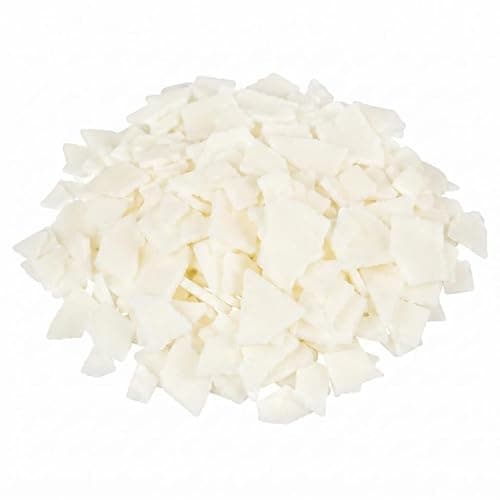
The Candlemaker's Store Natural Soy 464 Wax, 10 lb Flakes
Candle Wax Types Explained
Every candle wax type explained: the four families, container against pillar formulation, blends, additives and grades.
Candle Wick Size Chart
ECO, CD, HTP, LX, zinc and wooden wick sizes from four published charts, cross-referenced by container diameter with every publisher named.