Candle Wax
Golden Brands 464 Soy Wax Review
The wax the wick charts assume. Reviewed on what its suppliers publish, not on how it made us feel.
We have not burned these candles and we do not claim to have. Here is what we did instead. Links to Amazon earn us a commission at no extra cost to you — disclosure.
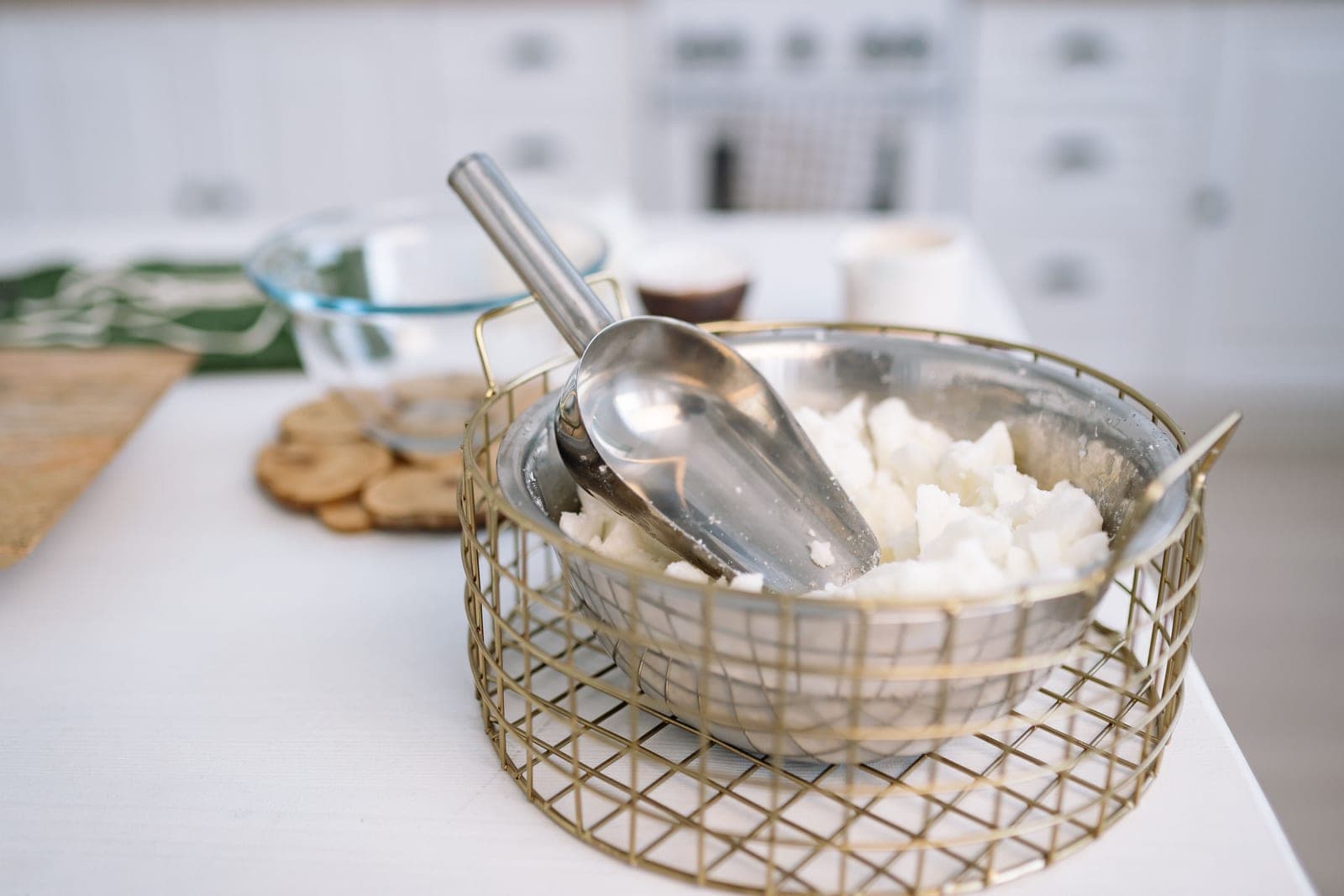
| # | Product | Best for | Price |
|---|---|---|---|
| 1 | 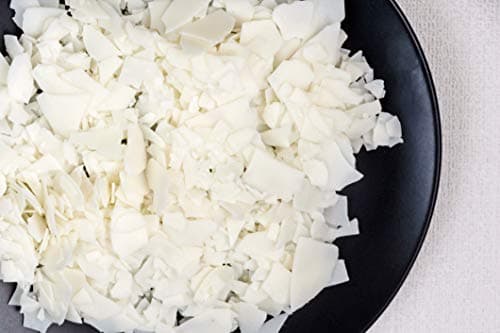 Natural Soy 464 Wax, 5 lb BagTop pickThe wax to buy if you already know you want 464 but do not want ten pounds of it sitting in a cupboard. Same published specifications, half the quantity. | The same reference wax at half the commitment | |
| 2 | 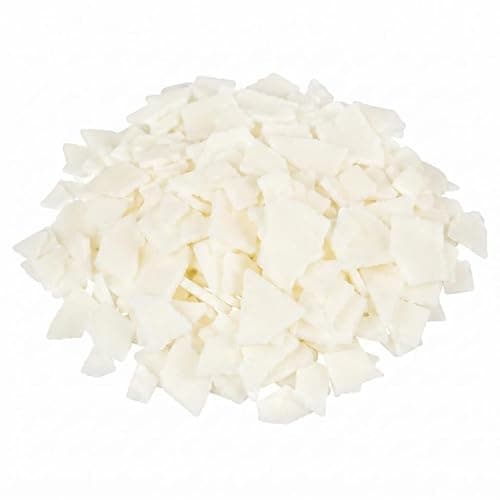 The Candlemaker's Store Natural Soy 464 Wax, 10 lb FlakesGW 464 is the reference soy for container candles, and that is its real advantage: when a wick chart says ECO 8, it was written with a wax like this in mind, so you get the behavior the chart predicts. | The wax most published wick charts are calibrated against | |
| 3 | 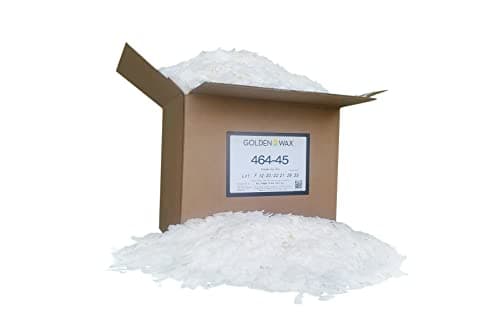 Golden Brands 464 Soy Wax, 45 lb BoxThe wax most published wick charts are calibrated against, in a 45 lb box. If your recipe is already built on 464, this is the same product at the lowest cost per pound. | Case quantity of the reference wax | |
| 4 | 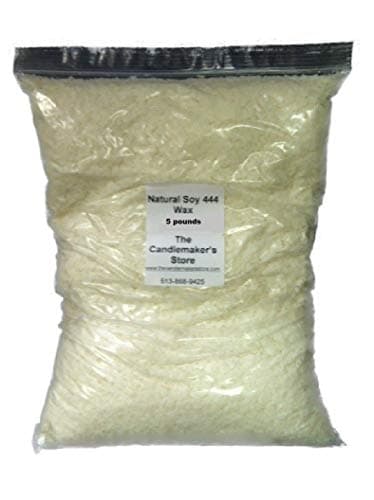 Natural Soy 444 Wax, 5 lb Bag444 is 464's higher-melt sibling. It sets harder and holds up better in a warm house, at the cost of being fussier about pour temperature and more prone to a rough top. | A firmer soy for warm rooms | |
| 5 | 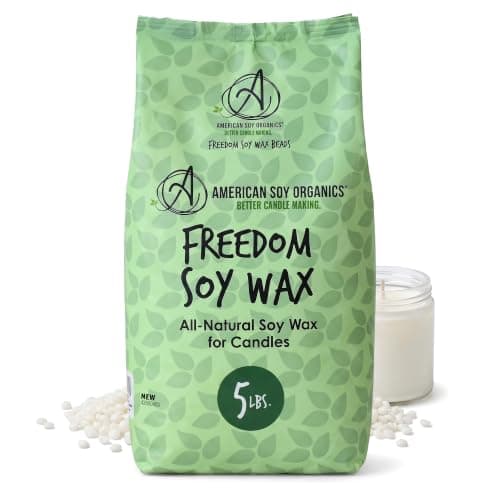 American Soy Organics Freedom Soy Wax Beads, 5 lbsFive pounds of container soy in bead form. The right size for someone who has done a kit, liked it, and wants to make candles properly without buying a case. | A first serious bag of soy |
If you have read one candle making tutorial you have read about 464. It is the default soy in US container candle making, it is what most wick charts were written against, and it is the wax whose numbers turn up unattributed in a thousand blog posts. This page is the opposite of that: every figure below names the supplier who published it.
We have not burned a 464 candle for this review and we do not claim to have. What we have done is collect what its suppliers publish, check where they disagree, and say what those figures mean for the candle you are about to pour.
What 464 actually is
GW 464 is a soy wax blend made by Golden Brands. The important word is blend: it contains soy-based additives that reduce frosting and improve fragrance retention compared with straight soy. It is sold as a natural soy wax and it is a natural soy wax; it is not a single-ingredient one.
That matters in one specific situation. If you are making candles to sell on a strictly-one-ingredient claim, 464 is the wrong wax to make that claim about, and our eco-friendly candle wax page covers what can and cannot honestly be said. For everybody else the additives are the reason the wax behaves.
Every published number, with its publisher
| Figure | Published value | Published by |
|---|---|---|
| Melt point | 113 to 118F | CandleScience product specification |
| Melt point | 115 to 120F | The Candlemaker's Store listing |
| Heat wax to | 170 to 180F, never above 200F | Cal Candle Supply GW 464 instructions |
| Add fragrance at | 170F | Cal Candle Supply GW 464 instructions |
| Pour at | 140F | Cal Candle Supply GW 464 instructions |
| Maximum fragrance load | 10 percent | Cal Candle Supply GW 464 instructions |
| Trim wick to | 1/4 inch, and not shorter | Cal Candle Supply GW 464 instructions |
That is an unusually complete set for a candle wax. Most of the waxes in our soy wax roundup publish a melt point and nothing else, and several publish nothing at all. The reason 464 turns up in every tutorial is partly that it is good and largely that it is documented.
The two melt points, and why we print both
The practical consequence is smaller than it looks. Nothing in the published workflow depends on the melt point directly: you heat to 170-180F, which is well above both, and you pour at 140F, which is well above both as well. The melt point matters for storage and for how the finished candle behaves in a warm room, not for the pour.
What 464 is genuinely good at
- It is the chart wax. When Lone Star or CandleScience publishes an ECO or CD size for a soy container, a wax like this is the assumption behind it. Start on the wick size chart with 464 in the pot and the recommendation behaves the way the chart says it will.
- It carries a 10 percent load. That is the top of what container soy holds, and it is published rather than inferred. Most soy struggles above 8.
- It pours smooth more often than not. The additives are there to reduce frosting and the crystalline surface that makes a homemade candle look homemade.
- It is documented. Every temperature is published somewhere you can check, which is not true of most waxes on the shelf.
What it is bad at
Three things, and the first is the one people get wrong most often.
- It will not make a pillar. 464 is a container wax. Out of a mold it slumps, and no amount of freezing the mold fixes that. Freestanding candles need a pillar blend; ours are on best soy wax for pillar candles.
- It frosts anyway, sometimes. Reduced frosting is not no frosting. Soy frosts, and the fix is managing expectations plus pour temperature, which is covered on frosting and wet spots.
- It is soft in a hot room. A melt point in the mid-110s is low. In a conservatory in August a 464 candle sweats, and 444 is the usual answer to that.
464 against 444, the comparison people actually want
| GW 464 | GW 444 | |
|---|---|---|
| Melt point | 113-118F or 115-120F, depending on supplier | Not published on the Amazon listing |
| Set | Softer | Firmer |
| Warm rooms | Sweats sooner | Holds up better |
| Surface finish | Smoother more often | Shows pour lines and rough tops more readily |
| Wick charts | The wax the charts assume | Close enough that the same chart is the starting point |
| First bag? | Yes | Only if your house is hot |
The honest summary: 444 solves one problem, and if you do not have that problem it costs you surface finish for nothing. Buy 464 first.
Top pick · The same reference wax at half the commitment
Natural Soy 464 Wax, 5 lb Bag
Golden Brands (GW 464)
The wax to buy if you already know you want 464 but do not want ten pounds of it sitting in a cupboard. Same published specifications, half the quantity.
#ad · how this is funded · price as of September 14, 2026
Published specifications
- Quantity
- 5 lb bagSource: Amazon product listing, read 2026-09-02
- Add fragrance at
- 170FSource: Cal Candle Supply published GW 464 instructions
- Pour at
- 140FSource: Cal Candle Supply published GW 464 instructions
- Maximum fragrance load
- 10 percentSource: Cal Candle Supply published GW 464 instructions
What that means
Five pounds is 80 ounces, or about twenty 4-ounce candles. That is roughly a season of gift candles for one person.
Buying the same wax in a smaller bag costs more per pound. That premium is worth paying once, while you find out whether 464 suits how you work.
Good
- Half the quantity of the 10 lb bag
- Identical published temperatures
- Fits a domestic cupboard
Less good
- Costs more per pound than the 10 lb bag
- Still more wax than a single evening's project
Skip this one if
You are certain you will keep making candles. The 10 lb bag is the cheaper way to buy the same wax.
Pick 2 · The wax most published wick charts are calibrated against
The Candlemaker's Store Natural Soy 464 Wax, 10 lb Flakes
Golden Brands (GW 464)
GW 464 is the reference soy for container candles, and that is its real advantage: when a wick chart says ECO 8, it was written with a wax like this in mind, so you get the behavior the chart predicts.
#ad · how this is funded · price as of September 14, 2026
Published specifications
- Melt point
- 115 to 120FSource: The Candlemaker's Store listing
- Melt point (maker figure)
- 113 to 118FSource: CandleScience product specification
- Heat to
- 170 to 180F, never above 200FSource: Cal Candle Supply published GW 464 instructions
- Add fragrance at
- 170FSource: Cal Candle Supply published GW 464 instructions
- Pour at
- 140FSource: Cal Candle Supply published GW 464 instructions
- Maximum fragrance load
- 10 percentSource: Cal Candle Supply published GW 464 instructions
- Quantity
- 10 lb flakesSource: Amazon product listing, read 2026-09-02
What that means
Two suppliers publish slightly different melt points for the same wax, 115 to 120F and 113 to 118F. That two-degree gap is normal for a natural wax and it is why you read your own pour temperature rather than trusting a single number.
Ten pounds is 160 ounces of wax, or roughly forty 4-ounce candles at the usual fill. That is a real supply, not a sample.
464 is a soy blend with additives that reduce frosting and hold fragrance better than straight soy. It is not the most natural wax on the shelf and it is not sold as one.
Good
- Every published temperature you need is documented, by more than one supplier
- The wax most wick charts assume, so chart recommendations behave as predicted
- 10 percent maximum fragrance load, which is at the top of what soy holds
Less good
- Contains soy-based additives, so it is a blend rather than pure soy
- Ten pounds is more than a first-time maker will get through
Skip this one if
You want to find out whether you enjoy this before committing to ten pounds of anything. Buy a one-pound bag first.
Pick 3 · Case quantity of the reference wax
Golden Brands 464 Soy Wax, 45 lb Box
Golden Brands (GW 464)
The wax most published wick charts are calibrated against, in a 45 lb box. If your recipe is already built on 464, this is the same product at the lowest cost per pound.
#ad · how this is funded · price as of September 14, 2026
Published specifications
- Quantity
- 45 lb boxSource: Amazon product listing, read 2026-09-02
- Form
- FlakesSource: Amazon product listing, read 2026-09-02
- Stated strength
- Holds fragrance and color well, easy to meltSource: Amazon product listing, read 2026-09-02
- Working temperatures
- Heat to 170 to 180F, fragrance at 170F, pour at 140F, 10 percent maximum loadSource: Cal Candle Supply published GW 464 instructions
What that means
The advantage of buying 464 specifically at case quantity is that everything you already know still applies. The wick chart, the pour temperature, the fragrance load: none of it changes.
Forty-five pounds of flakes takes more storage volume than the same weight in beads, because flakes pack less densely.
This is the case to buy if you are selling. It is the wrong purchase for anyone who has not yet run a burn test.
Good
- The wax the published wick charts assume
- Working temperatures documented in multiple places
- Lowest cost per pound for the reference soy
Less good
- Flakes take more storage space than beads
- 45 lb is a production quantity
Skip this one if
You are making candles for your own house. A 10 lb bag is already more than a year of casual pouring.
Pick 4 · A firmer soy for warm rooms
Natural Soy 444 Wax, 5 lb Bag
Golden Brands (GW 444)
444 is 464's higher-melt sibling. It sets harder and holds up better in a warm house, at the cost of being fussier about pour temperature and more prone to a rough top.
#ad · how this is funded · price as of September 14, 2026
Published specifications
- Quantity
- 5 lb bagSource: Amazon product listing, read 2026-09-02
- Wax family
- Golden Brands container soy blendSource: Amazon product listing, read 2026-09-02
- Melt point
- Not published on the Amazon listing
What that means
The practical difference between 444 and 464 is firmness. If your candles slump or sweat in summer, 444 is the usual answer.
The trade is surface finish. 444 shows pour lines and rough tops more readily, which is a cosmetic problem you fix with a heat gun rather than a burn problem.
The Amazon listing does not publish a melt point. Check the manufacturer specification sheet before you build a wick around it.
Good
- Firmer set than 464
- Better behaved in a warm room
- Same Golden Brands container family
Less good
- Amazon listing publishes no melt point or pour temperature
- More likely to show a rough top than 464
Skip this one if
This is your first bag of wax. Start with 464: it is more forgiving at the temperatures a beginner actually hits, and it is what the wick charts assume.
Pick 5 · A first serious bag of soy
American Soy Organics Freedom Soy Wax Beads, 5 lbs
American Soy Organics
Five pounds of container soy in bead form. The right size for someone who has done a kit, liked it, and wants to make candles properly without buying a case.
#ad · how this is funded · price as of September 14, 2026
Published specifications
- Form
- Wax beadsSource: Amazon product listing, read 2026-09-02
- Quantity
- 5 lbsSource: Amazon product listing, read 2026-09-02
- Intended use
- Container candlesSource: Amazon product listing, read 2026-09-02
What that means
Five pounds is 80 ounces. In 8-ounce jars at the standard fill, that is about ten candles with wax to spare for the pot.
This is the step up from a kit: you choose your own jars, your own wicks and your own fragrance, and the wax stops being the thing you inherited from a box.
Good
- Sensible first quantity
- Beads pour cleanly
- Container-specific
Less good
- No published melt point on the listing
- Costs more per pound than the 10 lb bag
Skip this one if
You are still deciding between soy and beeswax. Buy a pound of each and burn them before committing.
Which bag size
This is the decision with real money in it, and it is arithmetic rather than judgment. Wax is sold by weight and candles are filled by volume, so start from the fill weight of your jars.
Which means: the 5 lb bag is a season of gift candles, the 10 lb bag is a year of casual pouring, and the 45 lb box is a business decision. Our wholesale page covers when the case actually pays for itself.
Wicking 464 specifically
Because 464 is the reference wax, the published charts apply to it more directly than to any other soy on the site. For a 3-inch container the US charts point to ECO 10 or CD 14 to 16; Wedo's metric chart is more conservative and says ECO 14 for the same jar.
That disagreement is real, it is documented in full on the wick size chart, and it is the reason we say buy two sizes. A wax being well documented does not remove the burn test, it just narrows where you start.
The 10 percent ceiling, and what it means in grams
Fragrance load is a percentage of wax weight. Ten percent is the published maximum for this wax; above it, oil separates out, pools on the surface and can flare when lit. Most makers land between 6 and 8 percent.
The full treatment, including why the cure matters as much as the load, is on how much fragrance oil per pound.
Who should not buy 464
- Anyone making pillars, votives or tapers. Wrong wax category entirely.
- Anyone who wants a single-ingredient wax. 464 is a blend and says so. A pure soy such as the Hearth & Harbor bag in our soy roundup is the stricter answer.
- Anyone chasing maximum scent throw above all. A coconut-soy blend generally beats it, at a higher price. That comparison is on soy wax vs coconut wax.
- Anyone whose house is genuinely hot year-round. 444 exists for you.
For everyone else, and that is most people making container candles in the US, 464 is the wax to start on. Not because it is the best wax in every dimension, but because it is the one whose numbers you can check and whose behavior the charts predict. That is worth more than a marginal improvement in throw when you are still finding out what you are doing.
How these picks were made. Published specifications compiled from the sources listed below, the arithmetic shown on the page, and live Amazon prices. No product here has been burned by us. Read the method.
Common questions
What temperature do you pour Golden Brands 464?
140F, per the published Cal Candle Supply instructions for GW 464. The same instructions say to heat the wax to 170-180F and never above 200F, and to add fragrance at 170F.
What is the melt point of 464 soy wax?
Two suppliers publish slightly different ranges for the same wax: CandleScience states 113 to 118F and The Candlemaker's Store states 115 to 120F. Both are plausible for a natural wax whose melt point moves between batches, and we print both rather than picking one.
What is the maximum fragrance load for 464?
10 percent by weight, published in the GW 464 instructions. Most makers use 6 to 8 percent. Above the published maximum the oil separates rather than binding into the wax.
Is 464 pure soy wax?
No. It is a soy wax blend containing soy-based additives that reduce frosting and improve fragrance retention. It is honestly sold as a natural soy wax, but if you need a single-ingredient wax for a product claim, this is not it.
Can I use 464 for pillar candles?
No. It is a container wax and it will not hold a freestanding shape out of a mold. Use a pillar blend instead; our pillar wax roundup covers the waxes that publish the harder set you need.
What is the difference between 464 and 444?
444 is the firmer, higher-melting sibling. It stands up better in a warm room and shows pour lines and rough tops more readily. 464 is the better first bag unless your house runs hot.
What wick size does 464 need?
It depends on your container diameter, not on the wax alone. 464 is the wax most published soy charts assume, so the chart recommendation applies more directly here than to most waxes: roughly ECO 10 or CD 14 to 16 for a 3-inch jar on the US charts, with a burn test to settle it.
How many candles does a 10 lb bag of 464 make?
About 25 at an 8-ounce jar size, since 10 lb is 160 ounces of wax and an 8 fl oz jar takes about 6.4 ounces. At a 7-ounce jar size it is about 28. A 5 lb bag makes half those numbers.
Sources
- Cal Candle Supply - Golden Wax 464 published instructions (heat, fragrance and pour temperatures)
- CandleScience - Golden Brands 464 soy wax product specifications
- The Candlemaker's Store - Natural Soy 464 Wax listing (115-120F melt point)
- Lone Star Candle Supply - Guide to Wicking (ECO, CD, HTP, LX, zinc and wooden wick charts)
Read next
Candle Wax
Soy, beeswax, paraffin and coconut blends compared on published melt points, pour temperatures and maximum fragrance loads.
Best Soy Wax for Candles
Soy waxes compared on published specs, flake or bead form, quantity and cost per pound, with the reference wax named.
Top pick
The Candlemaker's Store Natural Soy 464 Wax, 10 lb Flakes
Soy Wax for Candle Making
Soy wax explained: what it is, the published working temperatures for the reference blends, and how 444, 464 and pillar soy differ.
Best Soy Wax for Pillar Candles
Pillar soy waxes ranked on published melt point and pour temperature, with the thirty-degree gap that separates them from container wax.
Top pick
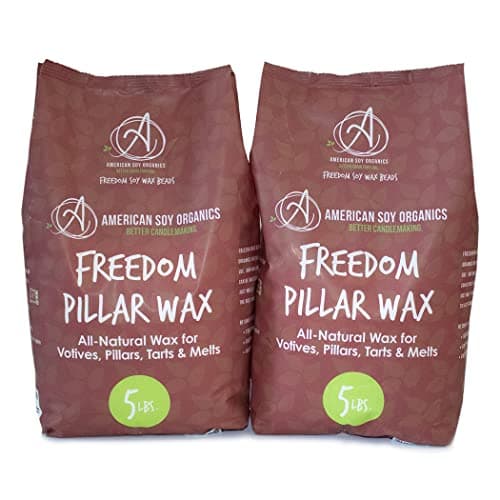
American Soy Organics Freedom Pillar Soy Wax Beads, 10 lbs
Soy Wax Frosting and Wet Spots
Frosting and wet spots explained: what each one is, why neither affects the burn, and the four changes that reduce them.
Candle Wick Size Chart
ECO, CD, HTP, LX, zinc and wooden wick sizes from four published charts, cross-referenced by container diameter with every publisher named.