Containers and Equipment
Candle Safety and Labeling
The burn rules, the standards that govern sold candles, and the warning label that is not optional.
We have not burned these candles and we do not claim to have. Here is what we did instead. Links to Amazon earn us a commission at no extra cost to you — disclosure.
| # | Product | Best for | Price |
|---|---|---|---|
| 1 | 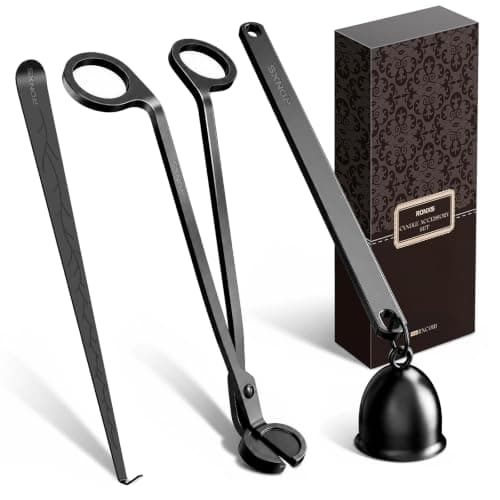 RONXS 3-in-1 Candle Wick Trimmer, Snuffer and Dipper SetTop pickTrimming the wick to a quarter inch before every burn is the single maintenance step that changes how a candle performs, and the angled blade on a proper trimmer reaches into a jar that scissors cannot. | The quarter-inch rule, without nail scissors | |
| 2 | 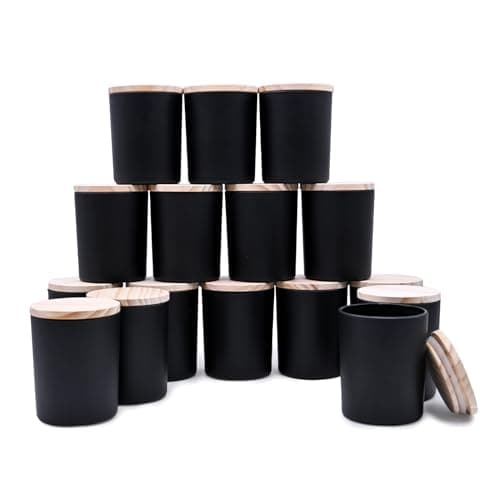 SHOWIN Thick Glass Candle Jars with Wood Lids, 7 oz, 16 packSeven ounces in thick glass with a wooden lid, sixteen to a box. This is the size that lines up with the standard soy wick charts and the quantity that lets you actually test a wick. | The jar most beginner recipes assume | |
| 3 | 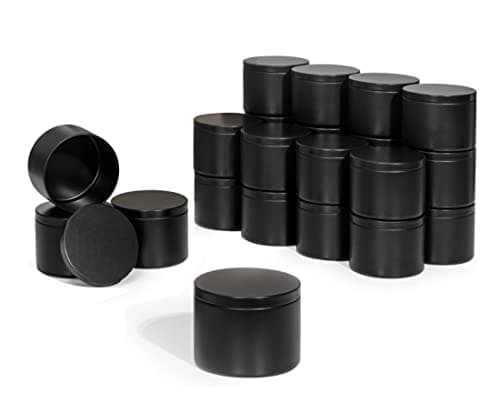 Aroparc Seamless Round Candle Tins with Lids, 8 oz, 24 packSeamless construction is the detail worth paying for in a tin: a seamed tin can weep molten wax through the join, which is exactly as annoying as it sounds. | Tins that do not leak at the seam |
This is the least entertaining page on the site and the one with the most at stake. A candle is an open flame in a glass container full of flammable liquid. Almost all of the risk is managed by a handful of specific practices.
The burn rules
- Never leave a burning candle unattended. This is the first line of every published safety guidance for a reason.
- Trim the wick to a quarter inch before every burn. The published GW 464 instructions specify this and caution against trimming shorter. A long wick means a tall flame and soot.
- Burn for no more than four hours at a time. Beyond that the container heats and the wick can migrate.
- Keep away from drafts. A draft makes the flame lean, which heats one side of the container and melts unevenly.
- Keep clear of anything that can catch fire, and out of reach of children and pets.
- Burn on a heat-resistant surface. The base of a jar gets hot, particularly late in the burn.
- Stop when a small amount of wax remains, typically about half an inch. Below that the flame is close to the container base.
- Never move a burning candle, and never touch a jar with liquid wax in it.
The standards that apply to sold candles
Candles sold in the United States are covered by voluntary consensus standards that function as the industry's expected practice, and the National Candle Association publishes guidance on them. The principal ones:
| Standard | What it covers |
|---|---|
| ASTM F2417 | Fire safety for candles - the main specification |
| ASTM F2058 | Candle fire safety labeling |
| ASTM F2179 | Specification for fire safety for candle accessories |
These are not obscure. If you sell candles at a market, on a marketplace, or to a shop, this is the framework you are operating inside, and the labeling standard is the part that shows.
What a warning label carries
The published guidance centers on a set of warnings that should appear on or with every candle sold. The usual form:
- Burn within sight
- Keep away from things that catch fire
- Keep away from children and pets
- Never leave a burning candle unattended
- Trim the wick to 1/4 inch before each use
- Do not burn for more than 4 hours at a time
- Stop use when 1/2 inch of wax remains
- Burn on a heat-resistant surface
Alongside the warnings, a label normally carries the fragrance name, the net weight, and the maker's name and contact details. Read the current standard yourself before your first sale rather than copying a label from another maker - the standards are revised, and this is not a place to work from someone else's homework. Making candles to sell covers what else changes at that point.
Practical labeling
- Put the warning label on the base of the container, where it stays with the candle for its whole life.
- Put the fragrance name and your details on the side or the lid.
- Use a label stock rated for the surface. A paper label on a warm jar peels.
- Include a burn-instruction card with gift candles even when you are not selling them.
Top pick · The quarter-inch rule, without nail scissors
RONXS 3-in-1 Candle Wick Trimmer, Snuffer and Dipper Set
RONXS
Trimming the wick to a quarter inch before every burn is the single maintenance step that changes how a candle performs, and the angled blade on a proper trimmer reaches into a jar that scissors cannot.
$12.99 · 10% off
#ad · how this is funded · price as of October 17, 2026
Published specifications
- Contents
- Wick trimmer, snuffer, wick dipperSource: Amazon product listing, read 2026-09-02
- Material
- Stainless steelSource: Amazon product listing, read 2026-09-02
- Why a quarter inch
- Published GW 464 instructions specify trimming the wick to 1/4 inch and caution against trimming shorterSource: Cal Candle Supply published GW 464 instructions
What that means
The trimmer's angled plate catches the cut piece instead of dropping it into the wax, which is the actual functional difference from scissors.
The dipper is for putting the flame out by pushing the wick into the melt pool. It stops the smoke trail a snuffer leaves, and it re-coats the wick in wax for the next light.
Good
- Reaches into deep jars where scissors cannot
- Catches the trimmings
- The dipper removes the post-extinguish smoke entirely
Less good
- Not needed at all until you have candles to burn
- Three tools where most people only ever use one
Skip this one if
You have not poured a candle yet. Buy wax, wicks and a jar first. This is maintenance for candles that already exist.
Pick 2 · The jar most beginner recipes assume
SHOWIN Thick Glass Candle Jars with Wood Lids, 7 oz, 16 pack
SHOWIN
Seven ounces in thick glass with a wooden lid, sixteen to a box. This is the size that lines up with the standard soy wick charts and the quantity that lets you actually test a wick.
#ad · how this is funded · price as of October 17, 2026
Published specifications
- Capacity
- 7 ozSource: Amazon product listing, read 2026-09-02
- Count
- 16 jarsSource: Amazon product listing, read 2026-09-02
- Lids
- WoodSource: Amazon product listing, read 2026-09-02
- Glass
- Described as thickSource: Amazon product listing, read 2026-09-02
- Internal diameter
- Not published on the listing
What that means
Seven fluid ounces of container takes roughly 5.6 ounces of soy wax by weight, at the 0.8 fill factor soy runs at. Sixteen jars is therefore about 5.6 pounds of wax - close to a 5 lb bag plus what stays in the pot.
The listing does not publish an internal diameter, and diameter is what the wick chart needs. Measure across the inside of the glass with a ruler before you order wicks.
Thick glass matters for a real reason: thin glass near a large flame is a crack risk, and a cracked candle jar is a fire.
Good
- Quantity matches a 5 lb bag of wax almost exactly
- Thick glass, which is a genuine safety point
- Lids included, so candles can be given as gifts
Less good
- Internal diameter is not published, so wick sizing needs a ruler
- Sixteen jars is a commitment to one size
Skip this one if
You are still testing which jar size you like. Buy one small pack of two sizes rather than sixteen of one.
Pick 3 · Tins that do not leak at the seam
Aroparc Seamless Round Candle Tins with Lids, 8 oz, 24 pack
Aroparc
Seamless construction is the detail worth paying for in a tin: a seamed tin can weep molten wax through the join, which is exactly as annoying as it sounds.
#ad · how this is funded · price as of October 17, 2026
Published specifications
- Capacity
- 8 ozSource: Amazon product listing, read 2026-09-02
- Count
- 24 tinsSource: Amazon product listing, read 2026-09-02
- Construction
- Seamless roundSource: Amazon product listing, read 2026-09-02
- Lids
- IncludedSource: Amazon product listing, read 2026-09-02
What that means
A seam in a candle tin is a potential leak path while the wax is liquid. Seamless tins are drawn from a single piece and have nowhere to weep.
This is the sort of specification that only matters once, on the day it fails. It costs very little to avoid.
Good
- Seamless, so no wax weep
- Lids included
- Same 24-count as the EricX tins
Less good
- Costs more than a seamed tin
- Still cannot see the melt pool
Skip this one if
You only need tins for burn testing. A seam will not affect a test you pour and burn the same week.
Safety while you are making them
- Never heat wax over direct heat. A water bath caps the temperature. Published soy guidance is not to exceed 200F.
- Never leave melting wax unattended. The published GW 464 instructions state this explicitly.
- Keep water out of hot wax. Water in hot wax spits violently.
- Have a lid or a fire blanket to hand. Never use water on a wax fire.
- Ventilate. Fragrance oils at 170F produce a lot of vapor.
- Do not pour wax down a drain. It solidifies in the trap.
Giving candles to households with pets
Two practical notes rather than veterinary advice. Several essential oils, tea tree and pine among them, are documented as problematic for cats, which is one reason fragrance oils are the safer default in a candle for someone else's house. And an open flame at cat height is a hazard whatever is in it, so a lidded jar and a high shelf are worth mentioning on the gift card. Best candle labels ranks the warning rolls and blank stock on the published material that decides whether a label survives the base of a warm jar.
How these picks were made. Published specifications compiled from the sources listed below, the arithmetic shown on the page, and live Amazon prices. No product here has been burned by us. Read the method.
Common questions
How long should you burn a candle at a time?
No more than four hours. Beyond that the container heats up and the wick can migrate or mushroom. Four hours is also long enough for a full melt pool to form in a correctly wicked candle.
Do I need a warning label on candles I sell?
Yes. Candles sold in the US are covered by fire safety and labeling standards including ASTM F2417 and ASTM F2058, and the National Candle Association publishes guidance on the warnings a label should carry.
Why trim a candle wick to 1/4 inch?
A longer wick produces a taller flame, more soot and a faster burn. The published Golden Wax 464 instructions specify a quarter inch and caution against trimming shorter, because too short a wick will not burn properly.
When should you stop burning a candle?
When about half an inch of wax remains. Below that the flame is close to the container base and the glass can get hot enough to be a risk.
Is it safe to make candles at home?
Yes, with a water bath rather than direct heat, wax kept below 200F, no unattended melting, no water near the hot wax, and something to smother a fire that is not water.
Sources
- National Fire Protection Association - Candle safety guidance
- U.S. Consumer Product Safety Commission - candle fire safety
- National Candle Association - candle labeling and fire safety standards (ASTM F2058, F2417, F2179)
- ASTM F2417 - Standard Specification for Fire Safety for Candles
- Cal Candle Supply - Golden Wax 464 published instructions (heat, fragrance and pour temperatures)
Read next
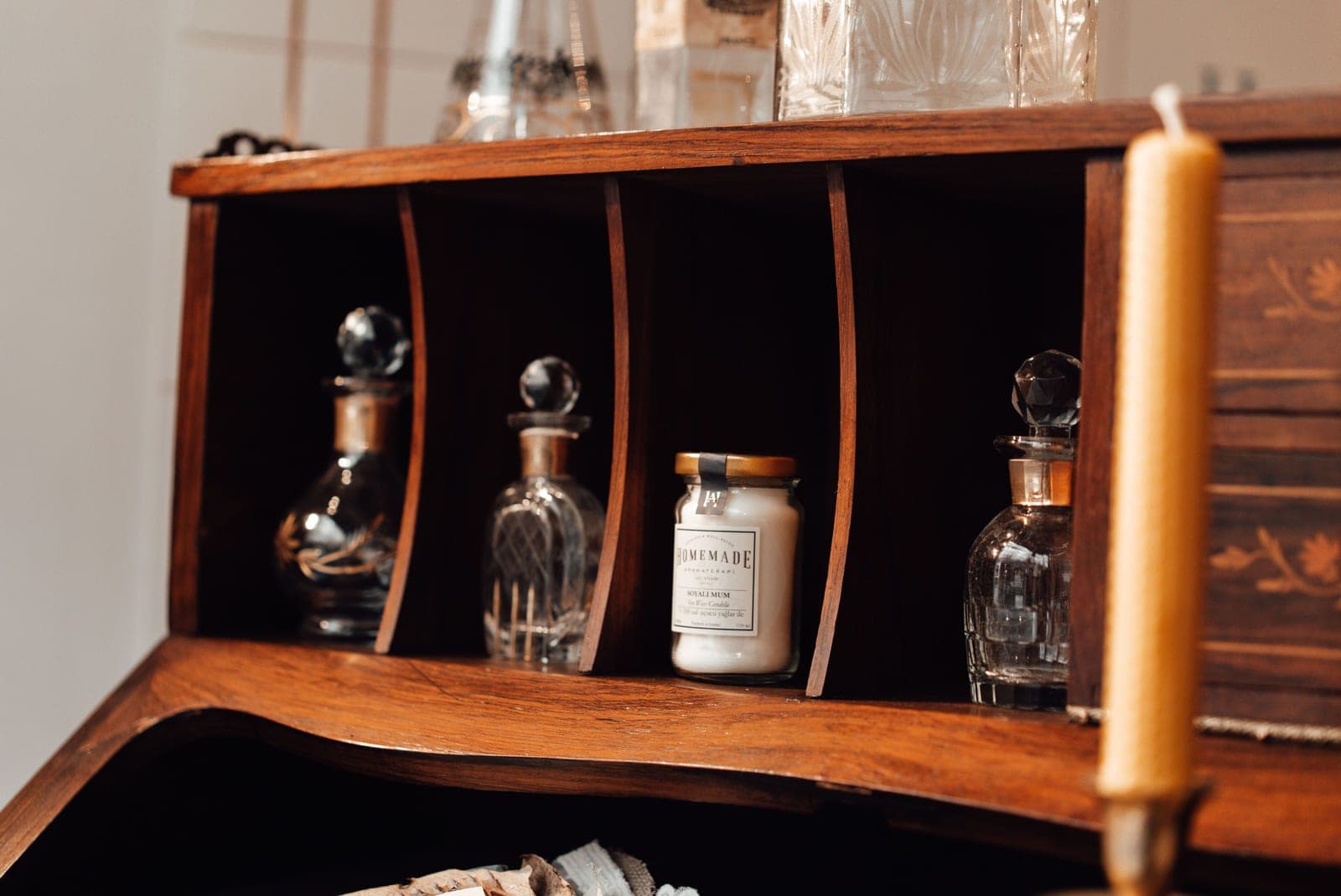
Containers and Equipment
Candle containers and equipment: what to buy on day one, what can wait, and the one measurement no jar listing publishes.
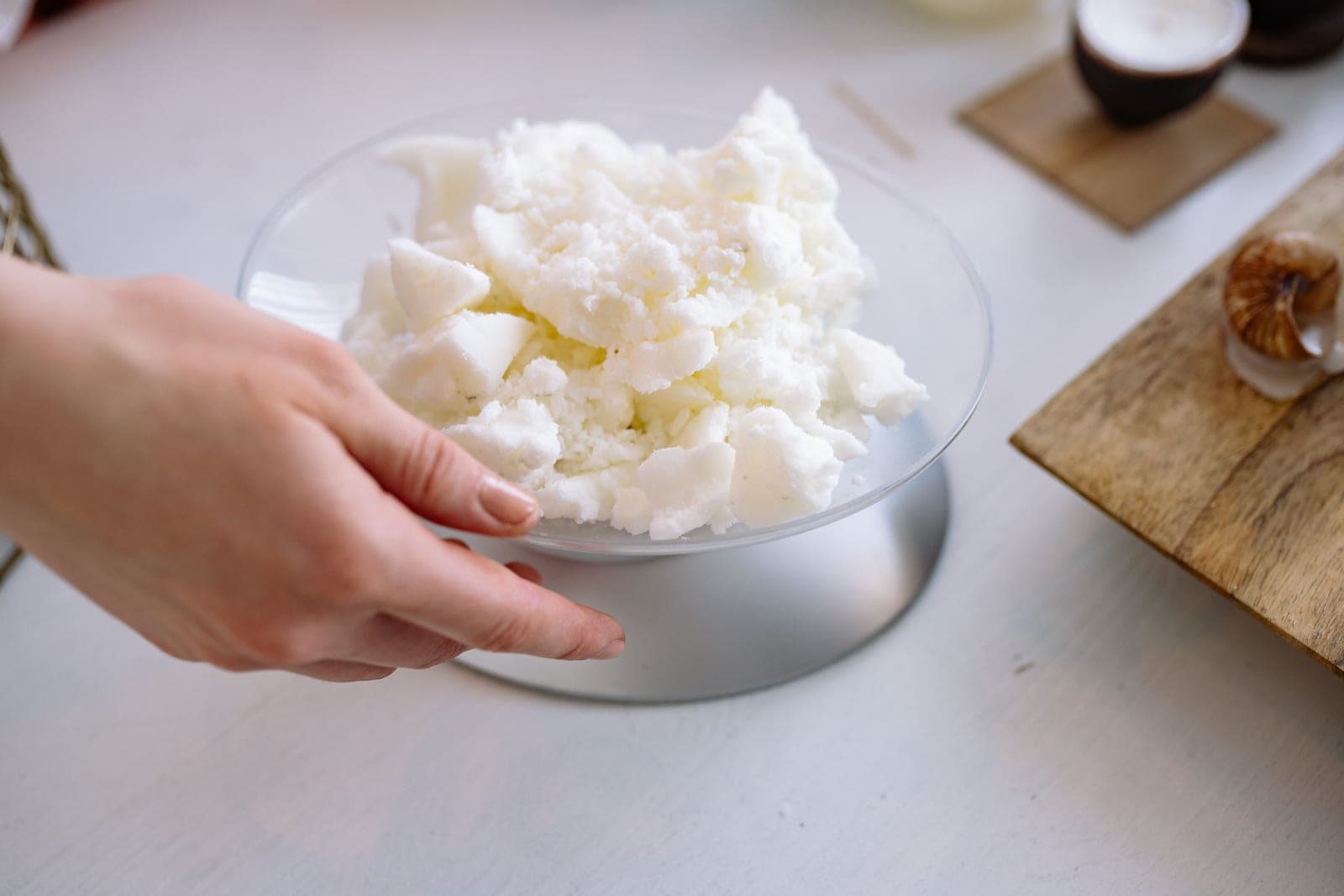
Candle Making Equipment List
Every piece of candle making equipment sorted into essential, useful and unnecessary, with what each does and a kitchen alternative where one exists.
Is My Wick Too Big or Too Small?
A symptom-by-symptom diagnostic: what soot, a tall flame, a hot container or a tunneling ring each tell you about wick size.
Beginner vs Business Starter Kits
What actually changes between a hobby kit and a production setup: melter capacity, repeatable recipes, labeling standards and record keeping.
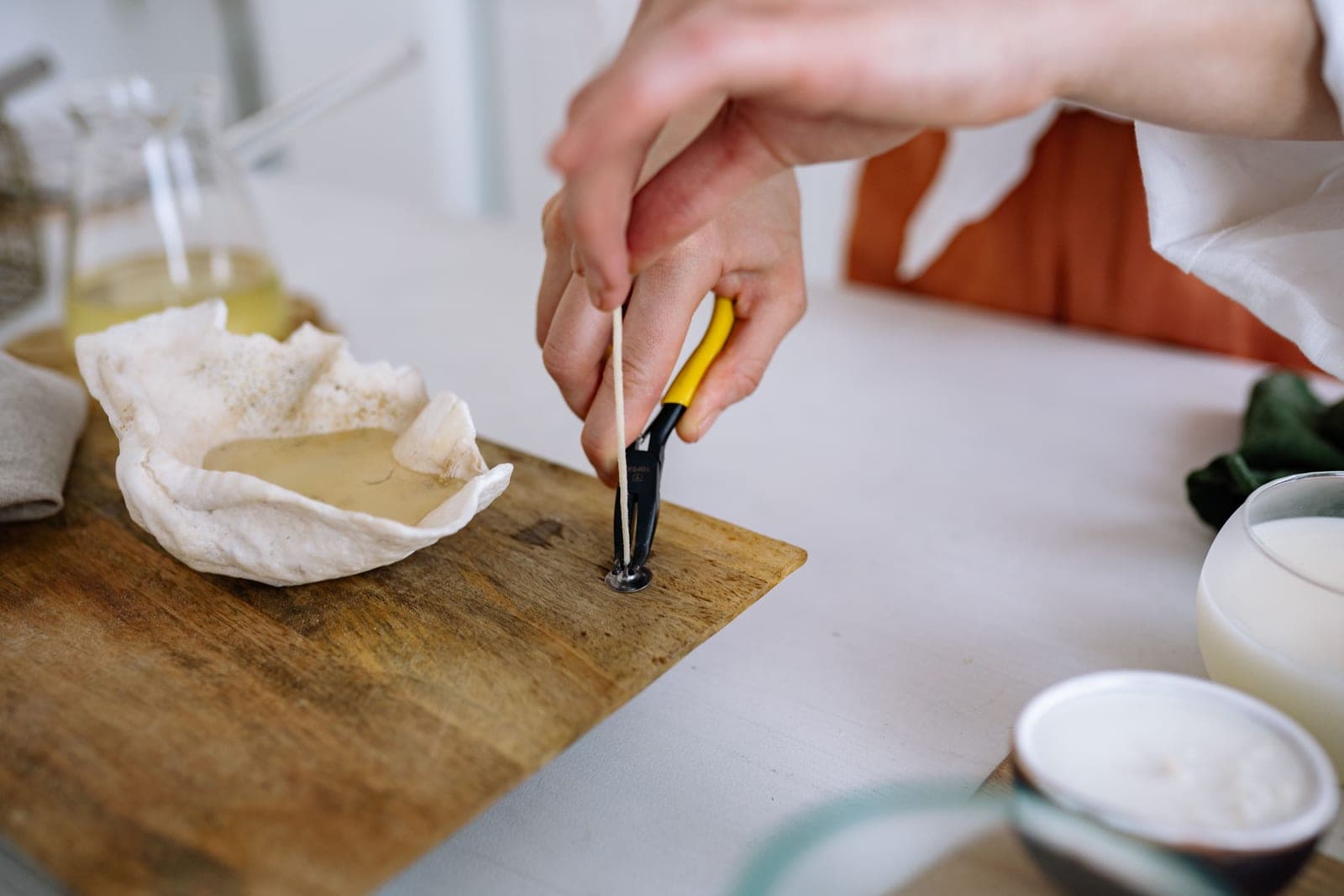
How to Make Candles
The complete candle making walkthrough: equipment, wax and fragrance arithmetic, published temperatures, the pour, the cure and the fixes.