Candle Making Kits
What Comes in a Candle Making Kit
Component by component, what each one does and whether its absence would stop you.
We have not burned these candles and we do not claim to have. Here is what we did instead. Links to Amazon earn us a commission at no extra cost to you — disclosure.
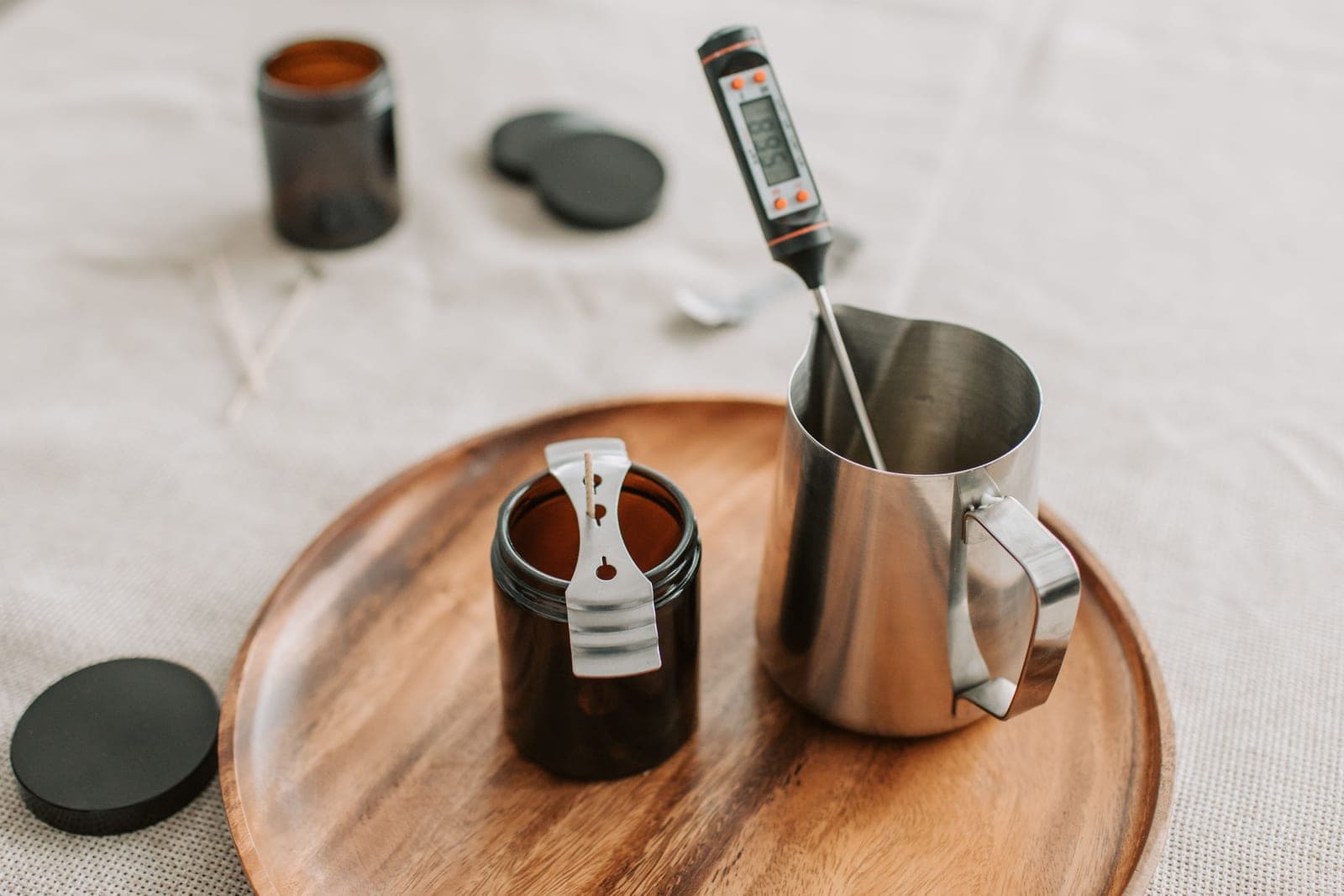
| # | Product | Best for | Price |
|---|---|---|---|
| 1 | 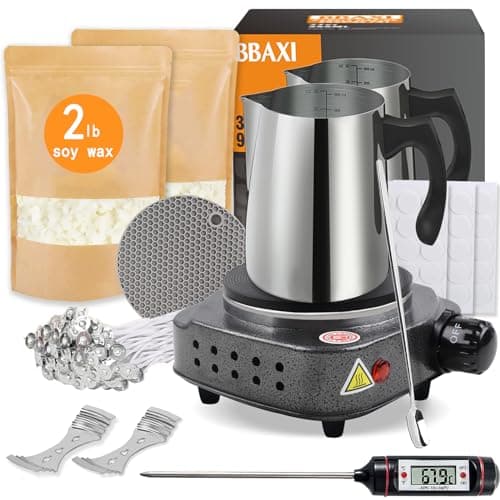 BBAXI Candle Making Kit with Hot Plate and 2 lb Soy WaxTop pickTwo pounds of soy wax, stated on the listing, so you can cost it per candle before buying. Four of the seven kits we track now publish a weight; what still sets this one apart is the two centering devices almost every other kit leaves out. | A published wax weight, and the parts kits usually omit | |
| 2 | 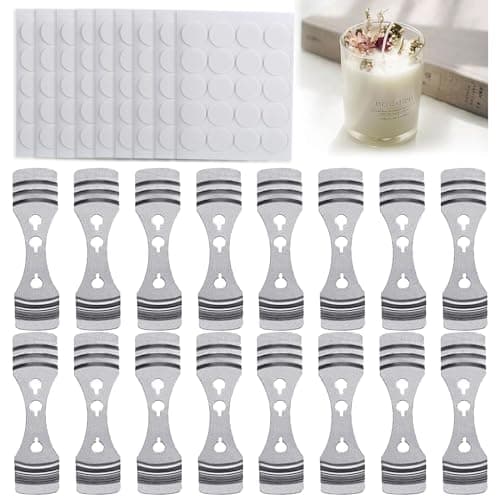 DINGPAI 20 Candle Wick Holders and 180 Wick StickersThe cheapest fix for the most common cosmetic failure in a first batch. A wick that drifts off-center while the wax sets gives you a candle that burns down one side of the jar and stops. | Keeping the wick where you put it | |
| 3 | 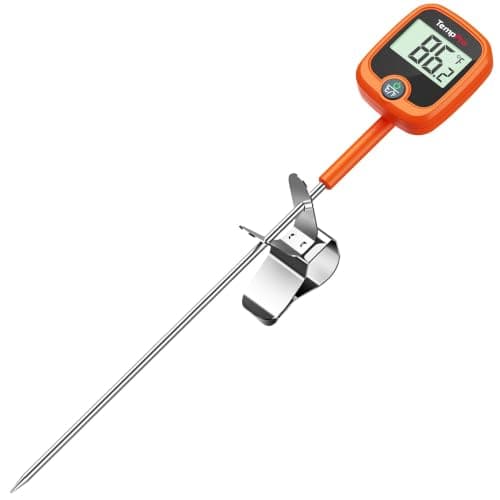 TempPro TempDip Digital Candy Thermometer with Pot Clip, 10 inch probeThe clip is what makes this useful for candles: it holds the probe in the wax at a fixed depth so you can read the temperature continuously instead of dipping and guessing. | Reading wax temperature without buying a melter |
Kit listings describe contents in a run-on sentence of nouns. Here is what each of those nouns is for, in the order you will use them.
The wax
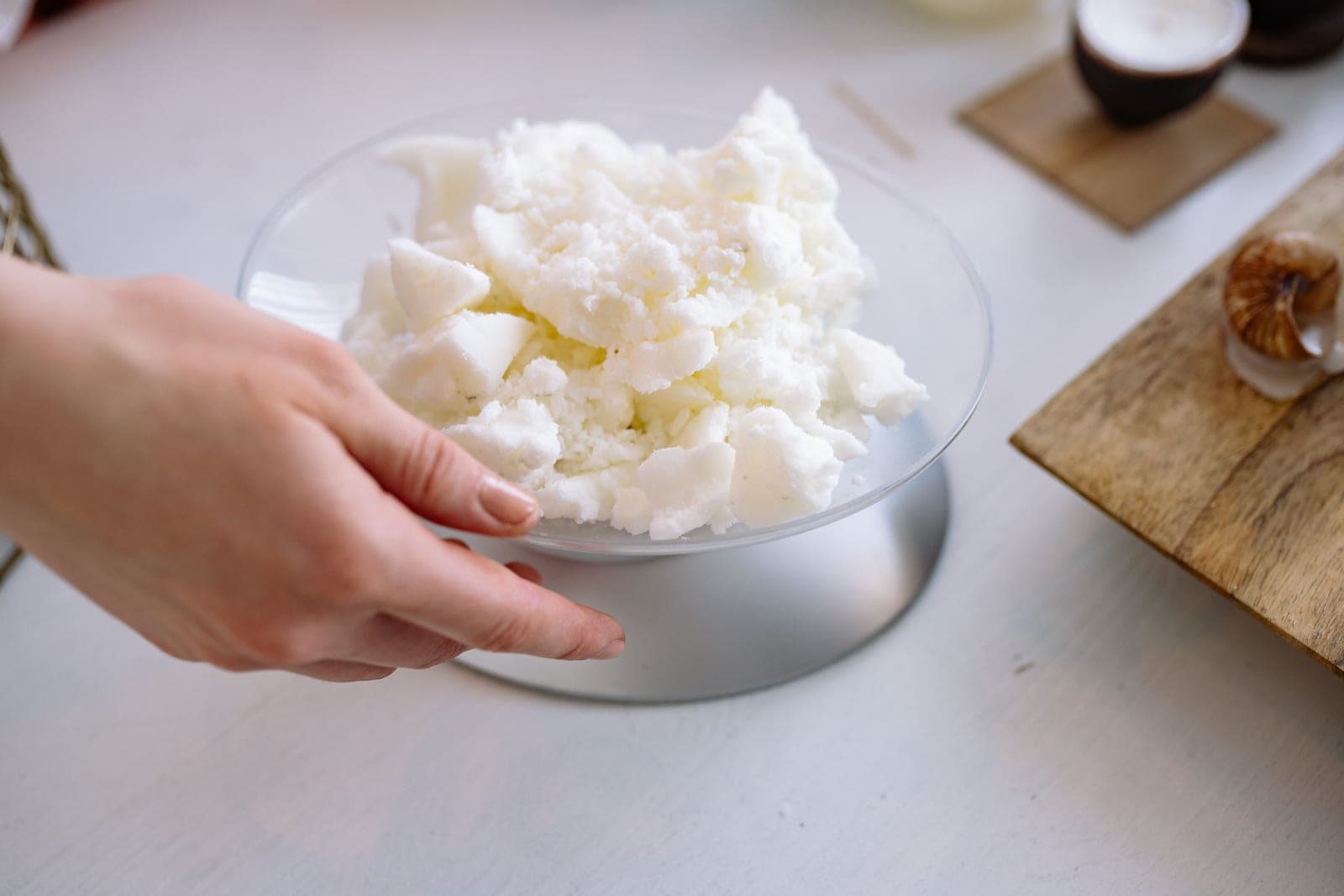
Almost always soy, almost never named. You will get flakes or beads in a bag, usually with no weight printed on the listing. Soy is the right choice for a kit: it melts around 115 to 120F and pours around 140F, which is a wide and forgiving window.
Not knowing which soy it is has one practical consequence: the wick charts are written against specific wax families, so you cannot look up the kit wick with any confidence. Use what the kit gave you for the first pour and buy named wax next time.
The containers
Glass jars, metal tins, or both. Glass is better for learning because you can watch the melt pool spread, which is the single most informative thing to look at on a first burn. Tins cannot crack, which makes them safer for testing an unknown wick.
Kits often mix sizes, which looks generous and creates the wick problem below. Measure the inside diameter of each before you use them.
The wicks
Pre-tabbed cotton, one size, unlabeled. This is the compromise at the heart of every kit: one size cannot suit a 4-ounce tin and an 8-ounce jar, because the published charts put those three to four sizes apart.
Wick stickers
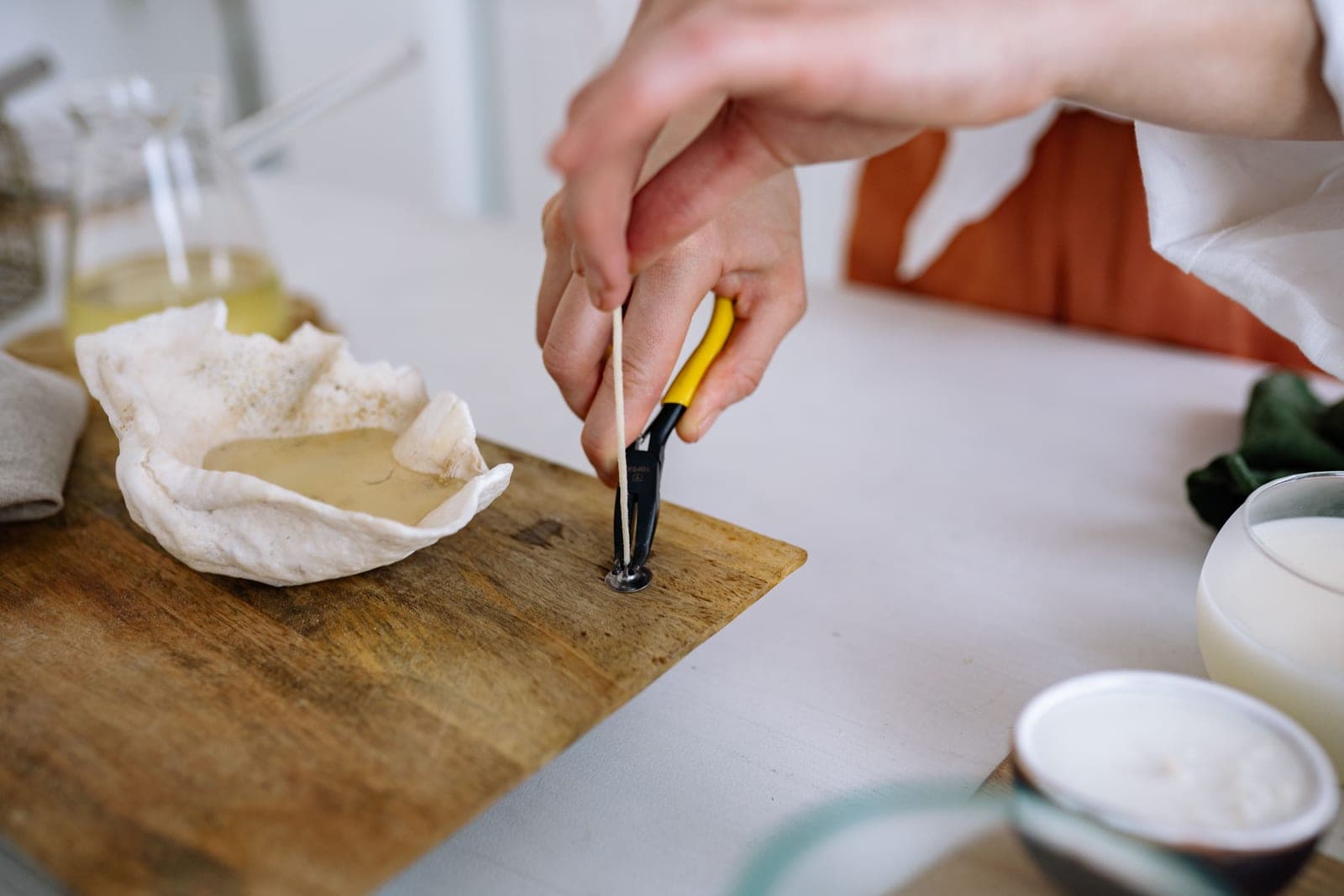
Small double-sided adhesive discs. They stick the metal wick tab to the bottom of the container so the wick does not float or shift while the wax sets. Tiny, essential, and the thing that ruins a first pour when a kit leaves them out.
Fragrance oils
Usually three to six small bottles, almost always unnamed. That last part matters: an unnamed oil cannot be re-ordered, so a candle that turns out well can never be made again.
Kits also rarely state a recommended load. Use the wax maker's figure instead: Golden Wax 464 publishes a 10 percent maximum, and most makers work between 6 and 8 percent. See how much fragrance oil per pound.
Dye
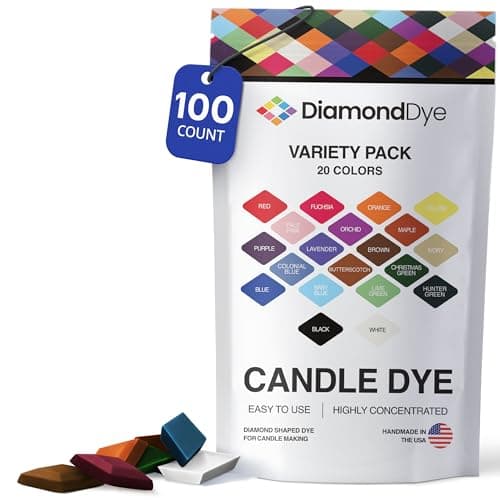
Blocks or liquid. Purely cosmetic, and worth skipping on a first candle: dye slightly changes how the wick behaves and adds a variable to a process where you are trying to learn what normal looks like.
The heat source
A hot plate, an electric melter, or a pouring pot. This is the component that separates a kit you can use tonight from one that sends you shopping. If the listing does not mention a heat source, assume there is not one.
Top pick · A published wax weight, and the parts kits usually omit
BBAXI Candle Making Kit with Hot Plate and 2 lb Soy Wax
BBAXI
Two pounds of soy wax, stated on the listing, so you can cost it per candle before buying. Four of the seven kits we track now publish a weight; what still sets this one apart is the two centering devices almost every other kit leaves out.
#ad · how this is funded · price as of October 17, 2026
Published specifications
- Wax quantity
- 2 lb soy waxSource: Amazon product listing, read 2026-09-02
- Heat source included
- Electric hot plate, 500 watts, 5 heat settingsSource: Amazon product listing, read 2026-09-02
- Pouring pot
- 304 stainless steel double pot, holds 32 oz / 900 mlSource: Amazon product listing, read 2026-09-02
- Pot dimensions
- 5.2 x 4 x 4.2 inchesSource: Amazon product listing, read 2026-09-02
- Wick hardware
- 2 stainless centering devices, 60 wicks, 60 wick stickersSource: Amazon product listing, read 2026-09-02
- Also includes
- Stainless spoon, silicone anti-scald padSource: Amazon product listing, read 2026-09-02
What that means
Two pounds is 32 ounces of wax. At the 0.8 fill factor soy runs at, that is roughly ten 4-ounce candles or five 8-ounce candles, before you account for what stays in the pot.
When we first wrote this up, one kit in seven published a wax weight. Re-checking the listings on 2026-09-21, four of the seven now do. Being able to do that arithmetic in advance is still worth more than an extra bottle of unnamed fragrance oil.
The two centering devices matter more than they sound. Kits almost always ship wick stickers and no holders, and an off-center wick is the most common cosmetic failure in a first batch - this is the only kit here that includes both.
A published pot capacity of 32 oz is a genuinely useful figure: it tells you the kit melts its entire 2 lb of wax in one go rather than in two batches at different temperatures.
Good
- Publishes the wax weight, so cost per candle is computable before purchase
- Hot plate and 304 stainless pouring pot both included
- Includes centering devices, which nearly every other kit omits
- Publishes the pot capacity and dimensions
Less good
- Fewer decorative extras than the gift-framed kits
- Fragrance oils are unnamed, so they cannot be re-ordered
- The listing notes the pot smokes slightly on first use as a protective film burns off
Skip this one if
You are buying a present and want it to look like one out of the box. This kit is the practical choice, not the pretty one.
Pick 2 · Keeping the wick where you put it
DINGPAI 20 Candle Wick Holders and 180 Wick Stickers
DINGPAI
The cheapest fix for the most common cosmetic failure in a first batch. A wick that drifts off-center while the wax sets gives you a candle that burns down one side of the jar and stops.
#ad · how this is funded · price as of October 17, 2026
Published specifications
- Contents
- 20 stainless steel wick centering devices, 180 wick stickersSource: Amazon product listing, read 2026-09-02
- Holder size
- 3.9 in long, 0.98 in wideSource: Amazon Creators API item data, read 2026-09-18
- Sticker size
- 0.75 in diameter, 1 mm thick, double-sided foamSource: Amazon Creators API item data, read 2026-09-18
- Material
- Stainless steelSource: Amazon product listing, read 2026-09-02
What that means
Kits usually include a handful of stickers and no holders at all. The holder is the part that keeps the wick vertical and centered for the twenty minutes it takes the surface to skin over.
Twenty holders means you can pour twenty candles in a session rather than pouring two and waiting.
Good
- Solves off-center wicks completely
- 180 stickers is a real supply
- Reusable metal, not a consumable
Less good
- Not needed if your kit already included holders
- Only fits jars within the holders' span
Skip this one if
Your kit shipped centering devices already. These do exactly the same job.
Pick 3 · Reading wax temperature without buying a melter
TempPro TempDip Digital Candy Thermometer with Pot Clip, 10 inch probe
TempPro
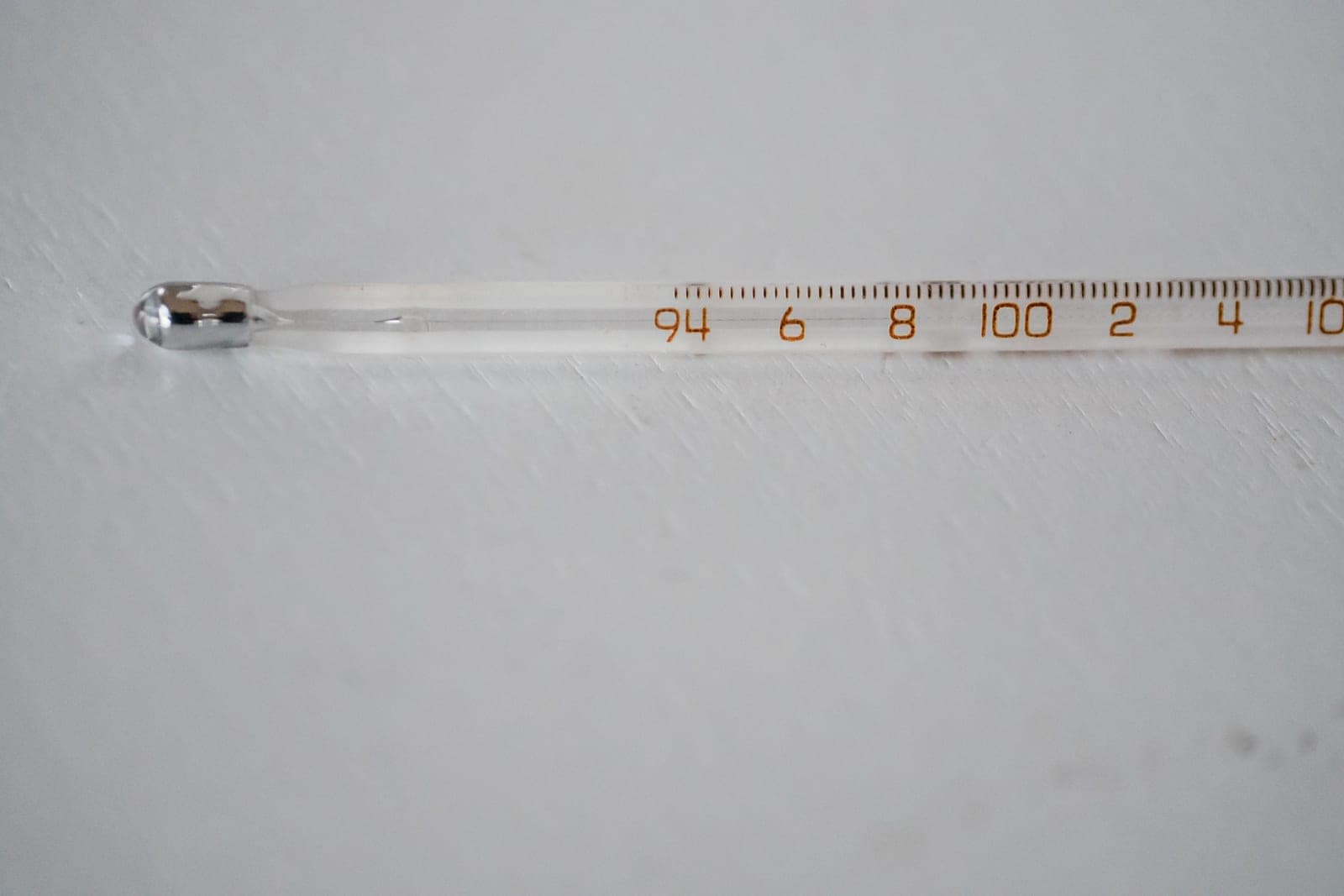
The clip is what makes this useful for candles: it holds the probe in the wax at a fixed depth so you can read the temperature continuously instead of dipping and guessing.
$22.99 · 17% off
#ad · how this is funded · price as of October 17, 2026
Published specifications
- Probe length
- 10 inchesSource: Amazon product listing, read 2026-09-02
- Mounting
- Pot clipSource: Amazon product listing, read 2026-09-02
- Display
- Large LCD, instant readSource: Amazon product listing, read 2026-09-02
- Waterproof
- Stated as waterproofSource: Amazon product listing, read 2026-09-02
What that means
Candle wax and candy sugar work in the same temperature band, which is why candy thermometers are the standard tool here. There is no candle-specific thermometer worth paying extra for.
A ten-inch probe reaches the bottom of a deep pouring pot without your hand being over the steam.
This plus a pouring pot costs less than an electric melter and teaches you more, because you are watching the number move rather than setting it.
Good
- Clips in place for continuous reading
- Long probe keeps hands away from steam
- Cheapest route to hitting published pour temperatures
Less good
- One more thing to wash
- Batteries
- Does not control the heat, only reports it
Skip this one if
You bought a digital melter. It already reads the temperature for you.
The three things kits leave out
- A thermometer. The published pour temperatures are useless without one. A clip candy thermometer is inexpensive and does the job.
- Wick centering devices. Kits ship stickers, which hold the wick at the bottom, and nothing that holds it straight at the top. A metal centering device is a few dollars and fixes off-center wicks entirely.
- A published wax weight. Not an item, but the omission that matters most: without it you cannot work out how many candles the box makes.
The order you will use them in
- Stick the wick tab to the bottom of the container with a wick sticker.
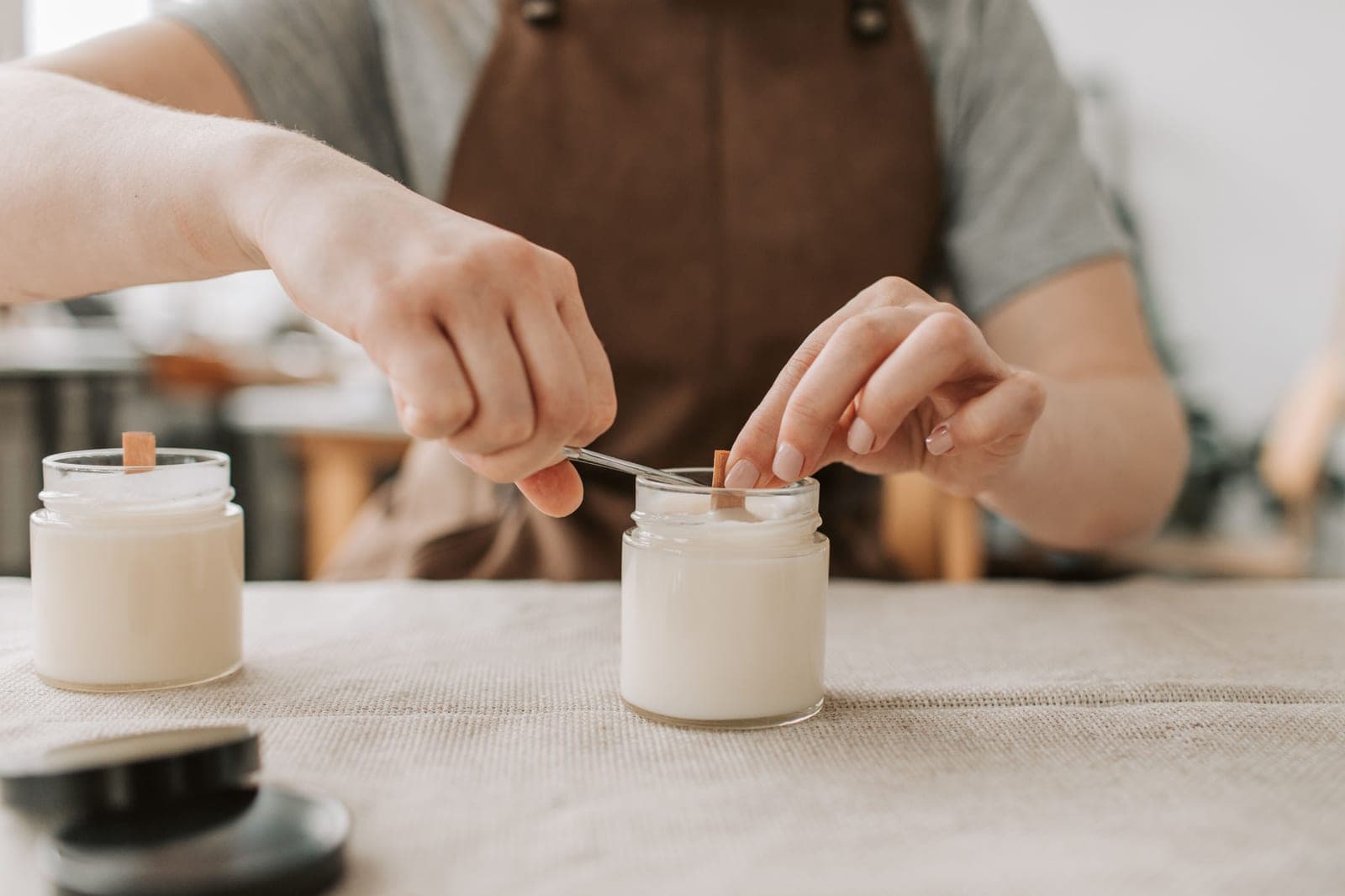
- Put the centering device over the top and thread the wick through it.
- Melt the wax to 170 to 180F.
- Add fragrance at 170F and stir for two minutes.
- Cool to 140F and pour.
- Leave undisturbed until fully set, then trim the wick to a quarter inch.
- Cure for one to two weeks before burning.
The full walkthrough with the reasoning behind each step is on how to make candles. For a worked example of one kit's entire published contents list, see the SAEUYVB kit review.
How these picks were made. Published specifications compiled from the sources listed below, the arithmetic shown on the page, and live Amazon prices. No product here has been burned by us. Read the method.
Common questions
What is included in a candle making kit?
Wax (usually soy), containers, pre-tabbed wicks, wick stickers, fragrance oils, dye, and usually a heat source such as a hot plate or melting pot. Thermometers and wick centering devices are rarely included.
Do candle kits come with wax?
Yes, always. What they almost never come with is a published wax weight, which means you cannot work out how many candles the kit makes before you buy it.
What is a wick sticker for?
It is a double-sided adhesive disc that holds the metal wick tab to the bottom of the container so the wick does not float or move while the wax sets.
Do I need dye to make candles?
No. Dye is purely cosmetic and it slightly changes wick behavior, so it is worth leaving out of a first candle while you are learning what normal looks like.
Why does my kit only have one size of wick?
Because kit makers pick a middle size that is survivable across the containers in the box. It will suit one size well and the others less so. Measuring your jars and buying sized wicks is the cheapest upgrade available.
Sources
Read next
Candle Making Kits
What a candle making kit actually contains, which ones ship a heat source, and when buying separately is the better purchase.
Candle Making Supplies Checklist
A complete supplies checklist with matched quantities: what a 5 lb bag of wax pairs with in jars, wicks and fragrance.
How to Make Candles
The complete candle making walkthrough: equipment, wax and fragrance arithmetic, published temperatures, the pour, the cure and the fixes.
Candle Wick Size Chart
ECO, CD, HTP, LX, zinc and wooden wick sizes from four published charts, cross-referenced by container diameter with every publisher named.
How Much Fragrance Oil Per Pound of Wax
Fragrance load arithmetic: the formula, a table by batch size, the published maximum for GW 464, and why load is a weight percentage.
Best Candle Dyes for Candle Making
Candle dye chips, blocks and liquids ranked on published dose per pound and published working temperature, with the soy-versus-paraffin difference explained.
Top pick
Candle Dye Chips Variety Pack, 20 Colors